Piano Revenge MAG Celebrates Ennio Morricone
The Maestro Whose Piano Works Inspire a Neoclassical Revival
How Morricone’s Genius as a Composer and Pianist Continues to Shape Modern Neoclassical Music
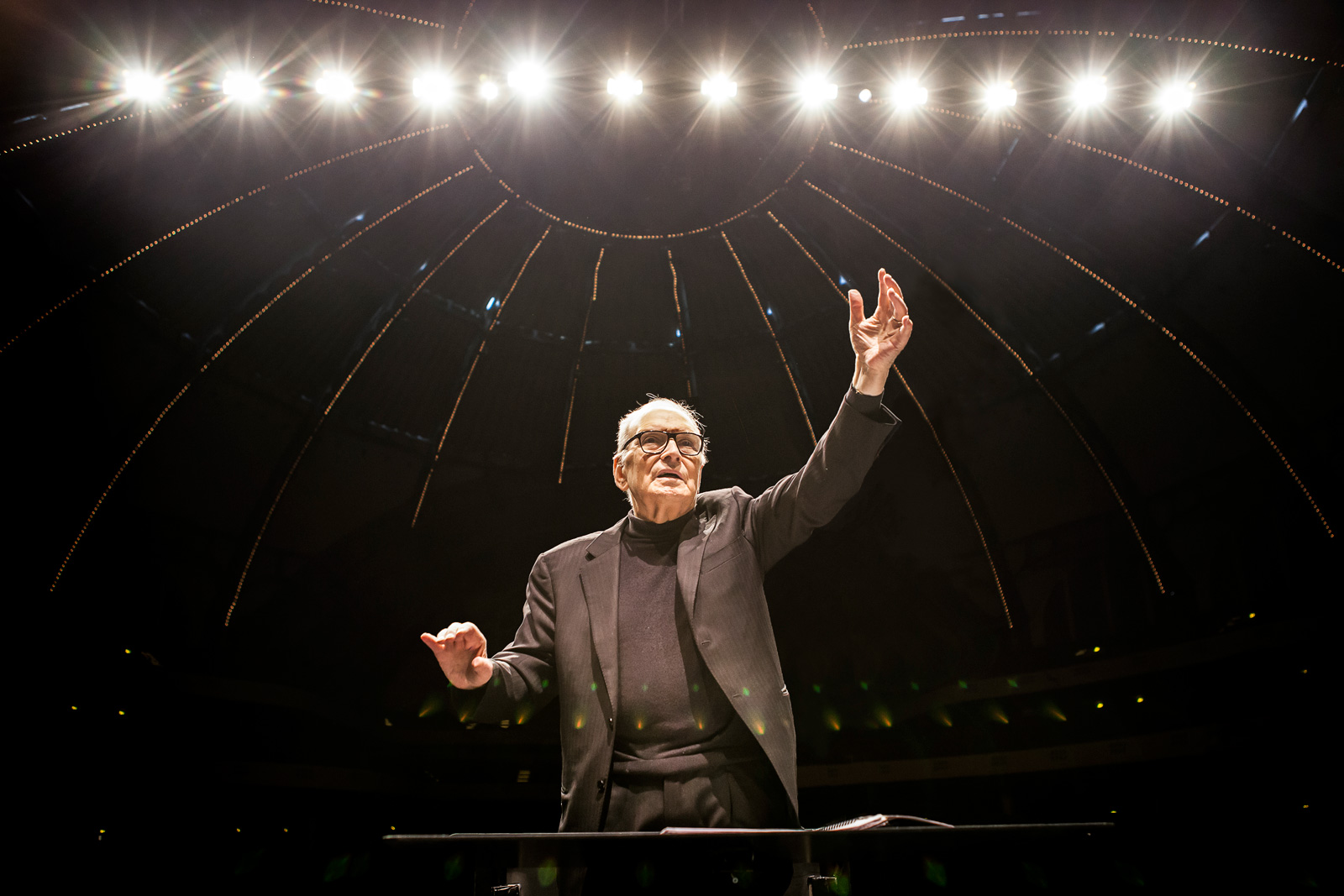
Ennio Morricone, the legendary composer behind some of cinema’s most iconic scores, was not only a master of orchestration but also a profoundly skilled pianist whose works continue to resonate with today’s neoclassical composers. Piano Revenge MAG delves into Morricone’s piano-centric compositions, exploring how his delicate touch, haunting melodies, and innovative harmonies inspire a new generation of artists.
Ennio Morricone, one of the most celebrated film composers of all time, initially faced skepticism and even dismissal from his academic peers in the classical music world. Trained at Rome’s prestigious Conservatorio di Santa Cecilia, Morricone was deeply rooted in traditional composition techniques. However, when he ventured into film scoring – particularly for spaghetti westerns like The Good, the Bad and the Ugly – many in the academic sphere viewed his work as unserious or commercially driven, rather than as legitimate artistic expression.
Despite this resistance, Morricone’s genius lay in his ability to blend avant-garde experimentation with unforgettable melodies, redefining what film music could be. Over time, his groundbreaking scores earned global acclaim, proving that film composition was not just a craft but a high art form in its own right.
Ennio Morricone, the legendary Italian composer, is celebrated for his groundbreaking work in film scores, particularly for his collaborations with director Sergio Leone in the iconic “Dollars Trilogy” and Once Upon a Time in the West. Despite his immense influence on cinema and music, Morricone’s relationship with the Oscars was marked by a sense of deferred recognition. For decades, his contributions were overlooked by the Academy, which often favored more traditional Hollywood scores over his innovative and experimental compositions. It wasn’t until 2007 that Morricone received an honorary Oscar for his lifetime achievements, a gesture that many felt was long overdue. Even then, it took another nine years for him to win a competitive Oscar, which he finally earned in 2016 for his score in The Hateful Eight. This victory, though celebrated, was bittersweet, as it highlighted the years of neglect and the delayed acknowledgment of his genius by Hollywood. Morricone himself once remarked on the irony of the situation, noting that while he was deeply honored, the Oscars had come too late to truly reflect the impact of his work on the world of film music.
Morricone’s journey from academic skepticism to legendary status demonstrates how artistic boundaries can be redrawn—and how success in film music can become a powerful rebuttal to elitism in the arts. Today, his legacy encourages musicians to embrace diverse mediums, proving that great composition transcends genre and medium.
The Pianist Behind the Legend
While Morricone is celebrated for his sweeping film scores (The Good, the Bad and the Ugly, Cinema Paradiso), his prowess as a pianist often takes a backseat – yet his keyboard works reveal an intimate, lyrical side of his genius. Pieces like “Come Maddalena” (from Maddalena, 1971) and “Love Theme” (from The Legend of 1900) showcase his ability to blend simplicity with deep emotional weight, a hallmark of neoclassical piano today.
Morricone’s Influence on Modern Neoclassical Piano
Contemporary composers such as Ludovico Einaudi, Ólafur Arnalds, and Hania Rani cite Morricone’s piano writing as a key inspiration. His use of:
Minimalist repetition with evolving textures (“Gabriel’s Oboe” piano arrangements),
Melancholic yet hopeful harmonies (“Deborah’s Theme” from Once Upon a Time in America),
Dramatic silence and space (a technique embraced by Nils Frahm and Dustin O’Halloran), proves his timeless relevance. Piano Revenge MAG highlights how today’s artists emulate his balance of cinematic grandeur and solo piano intimacy.
Rediscovering Morricone’s Hidden Piano Gems
Beyond film scores, Morricone composed standalone piano works and experimental pieces (e.g., “Studio per pianoforte”) that flirt with avant-garde and classical forms. His collaborations with pianist Gilda Buttà further immortalized his keyboard artistry, proving the piano was central to his creative vision.
A Legacy in Every Key
“Morricone’s piano music is a masterclass in emotional storytelling,” says Piano Revenge MAG “His ability to say so much with so few notes aligns perfectly with the neoclassical movement’s ethos – where less is more, and every note carries weight.”
As the neoclassical genre grows, Morricone’s piano works remain a touchstone for composers seeking to merge elegance with raw emotion.
Piano Revenge MAG’s upcoming issue features an exclusive interviews with modern artists and rare insights into piano music of today.