VIA – Piano & Arts Center: The Heart of Our October Celebration
As Piano Revenge Days Vienna approaches on October 16 and 17, we are delighted to unveil the remarkable venue that will host this year’s special gathering of piano artistry. Across two concerts featuring ten outstanding piano artists from different backgrounds and musical worlds, audiences will experience not only exceptional performances but also a space that perfectly embodies the spirit of creativity, innovation, and artistic connection that defines Piano Revenge.
For this edition, we could not imagine a more fitting home than VIA – Piano & Arts Center, one of Vienna’s most inspiring new cultural destinations. Since opening its doors in 2024, VIA has quickly established itself as a vibrant hub where music, culture, education, craftsmanship, and human connection intersect in meaningful and contemporary ways.
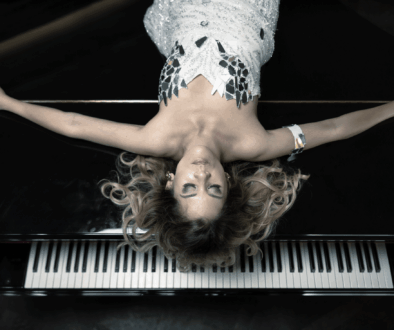
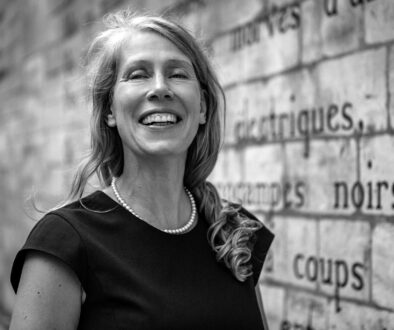
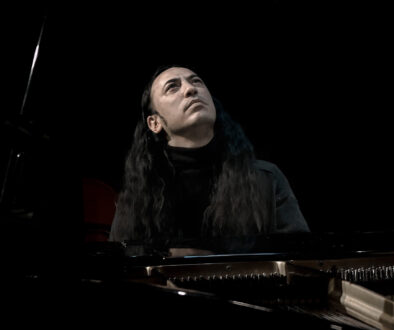
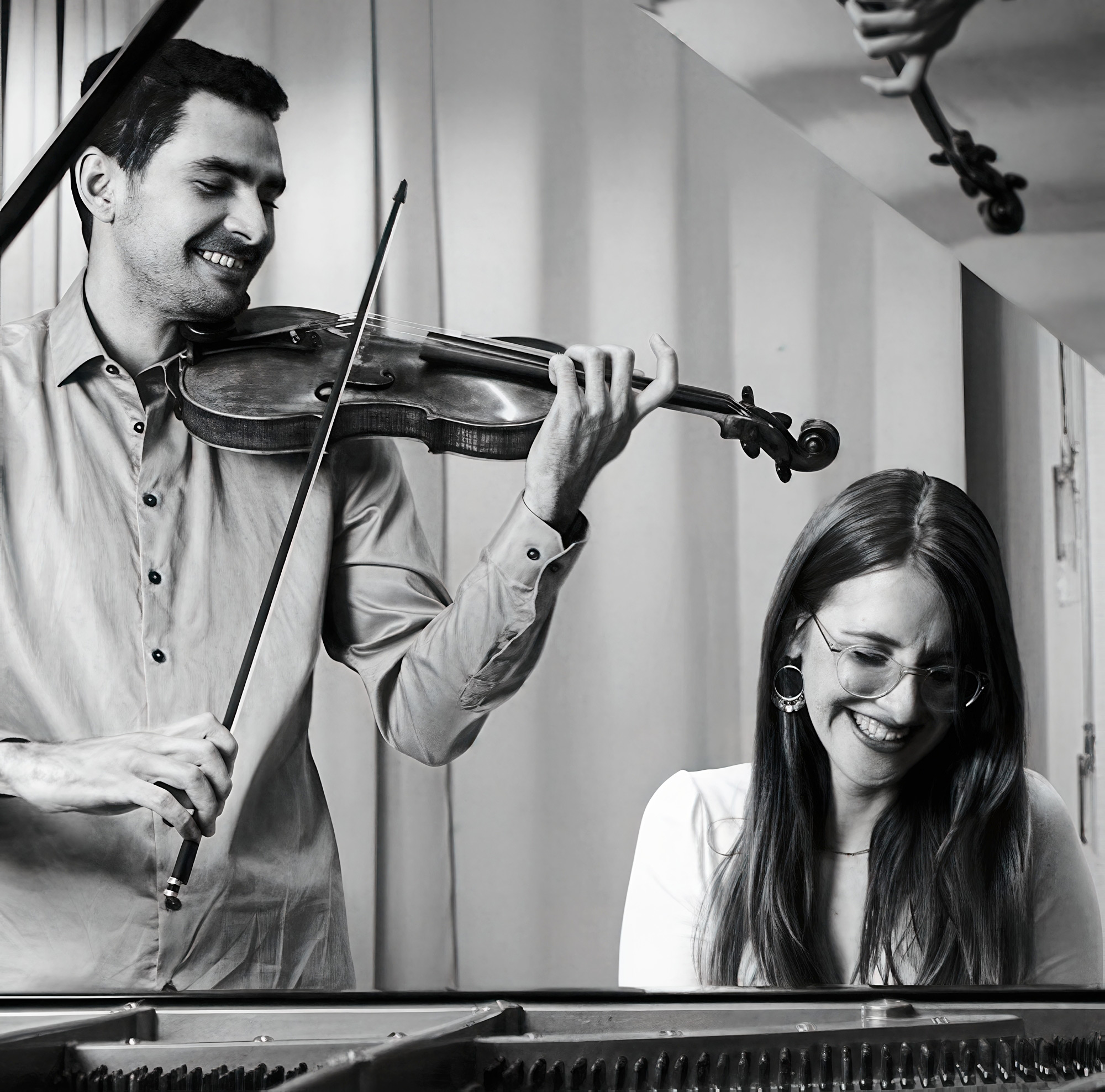
Behind this visionary project stands an extraordinary artistic partnership: founders Anastasia Starostina and Alexey Rojas Peskov. Musicians themselves, they have transformed a long-held dream into a unique center that reflects both their refined artistic sensibilities and their modern approach to cultural life. Every aspect of VIA – from its acoustics and design to its welcoming atmosphere – reveals a thoughtful balance between excellence and accessibility, tradition and innovation.
What impressed us most is not only the beauty of the space itself, but the philosophy behind it. VIA was created as a place where artists can meet, collaborate, grow, and inspire one another; where audiences can experience music on a deeper level; and where creative ideas are encouraged to flourish beyond conventional boundaries. It is a venue shaped by people who genuinely understand the needs of artists because they are artists themselves.
In this exclusive Piano Revenge Magazine interview, we invite you to meet the visionary couple behind VIA – Piano & Arts Center and discover the story, passion, and artistic values that have made their center one of Vienna’s most exciting cultural initiatives. As we prepare to celebrate Piano Revenge Days Vienna this October, we are proud and grateful to partner with hosts whose dedication to beauty, community, and artistic excellence mirrors our own.
Welcome to VIA – Piano & Arts Center, the stage where Piano Revenge Days Vienna 2026 begins its next chapter.
Vienna | 16-17 October 2026 🎟️ Tickets & Info: https://pianorevengedaysvienna.rsvpify.com/
Piano Revenge Magazine: Interview with VIA – Piano & Arts Center
Founder / Executive Director: Alexey Rojas Peskov, MA
Co-Founder / Public Relations & Office Management: Dipl. Anastasia Starostina
About the Story of VIA – Piano & Arts Center:
We are Anastasia Starostina and Alexey Rojas Peskov – both musicians and in January 2024, we founded the music and cultural center VIA – Piano & Arts Center.
Driven by the desire to create a place where music can be experienced in all its facets, we combined our diverse skills and experiences.
With the founding of VIA, a long-held dream of ours came true. As musicians, we had long searched for a space like this: a venue for concerts and encounters, for international projects and artistic exchange, for organizing concerts and musical tours for other artists, for piano services and instrument craftsmanship, for psychological counseling, workshops, and masterclasses – and for a rehearsal space where music can emerge and grow.
VIA is a place where all these paths converge, develop, and continue together.
PRM: “What inspired the creation of VIA – Piano & Arts Center, and how does its design reflect your artistic philosophy?”
Anastasia:
The VIA – Piano & Arts Center was born from a very simple idea: to create the kind of artistic space we ourselves had always been searching for. A place where music is not only performed, but truly experienced. Throughout my work as a musician, counselor, and educator, I often felt that many cultural spaces focus either on artistic excellence or on human connection. We wanted both.
Alexey:
The design of VIA reflects exactly that philosophy. Every detail has been chosen intentionally – from the acoustics to the lighting, from the instruments to the furniture. We believe that artistic experiences begin long before the first note is played. A beautiful and inspiring environment creates a different quality of listening and allows people to engage with music more deeply.
PRM: “In your view, what role does classical music play in preserving cultural heritage, and how does neoclassical music push boundaries in the contemporary art scene?”
Alexey:
Classical music carries centuries of human experience. It preserves stories, values, emotions, and artistic craftsmanship that continue to speak to us today. It connects us with our cultural roots and reminds us where we come from.
Anastasia:
Neoclassical music, on the other hand, builds a bridge between tradition and contemporary life. Many people who might never attend a traditional classical concert find their way into the world of instrumental music through neoclassical composers. It expands the audience and opens new emotional and creative possibilities while still honoring the depth and beauty of classical traditions.
PRM: “Looking toward the future of VIA, what is your specific vision for the role of neoclassical music and the work of new composers within the Center? In what ways do you see artificial intelligence influencing – or potentially collaborating with – your artistic programming and the creative process itself?”
Anastasia:
We see VIA as a center where emerging composers can experiment, connect, and present their work in an intimate setting. We are particularly interested in supporting artists who create meaningful connections between classical traditions and contemporary artistic language.
Alexey:
Regarding artificial intelligence, we view it as a tool rather than a replacement for creativity. AI may support composers in exploring ideas, creating new forms of interaction, or expanding artistic possibilities. However, we believe that the essence of music will always remain deeply human. The emotions, experiences, and imperfections that shape great art cannot be automated.
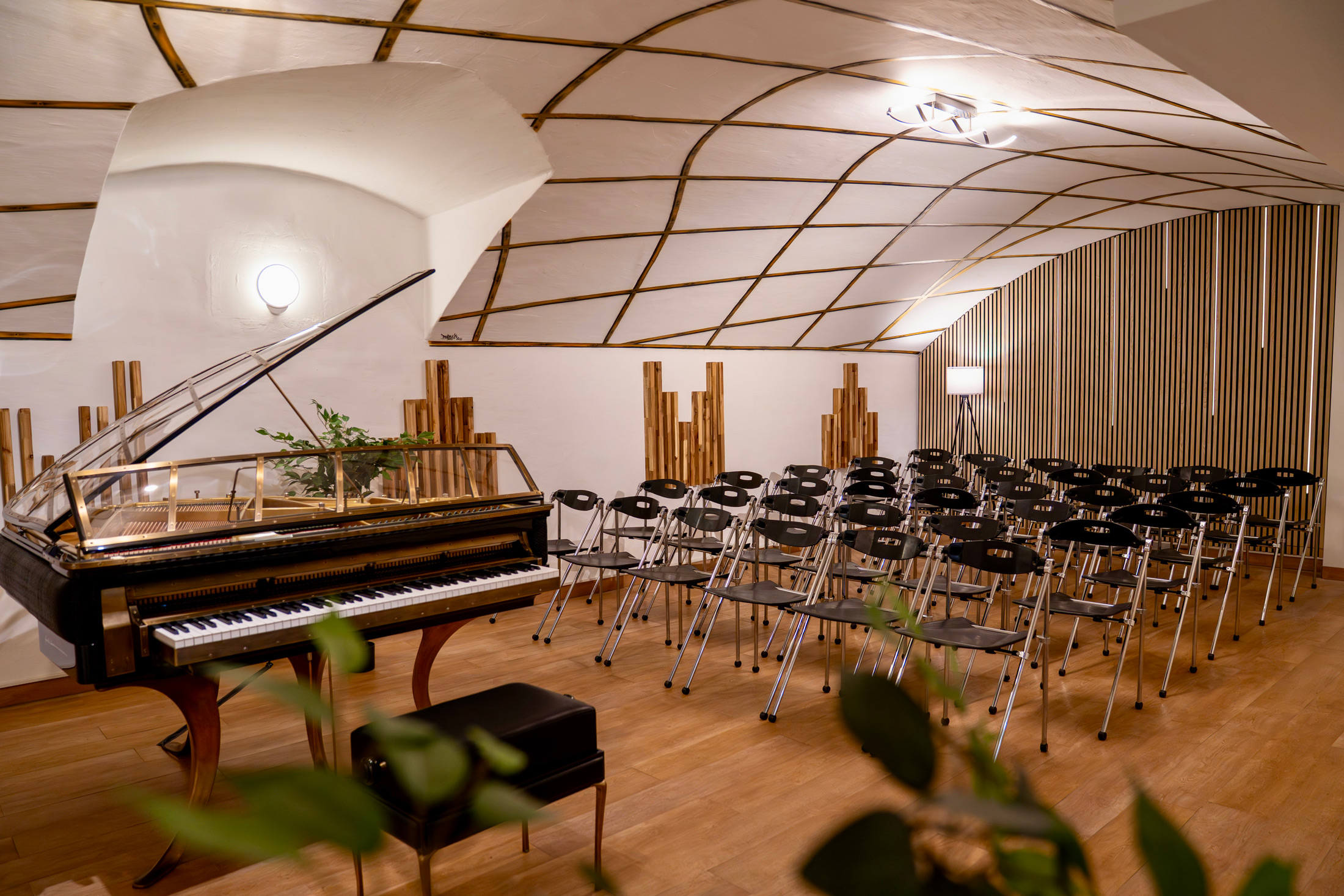
PRM: “The space features a PH Grand Piano, Paul Dworacek’s ceiling artwork, and Italian designer chairs – how do these elements shape the audience’s experience?”
Alexey:
For us, a concert is a holistic experience. Sound, architecture, design, and atmosphere all contribute to how music is perceived.
Anastasia:
The PH Grand Piano immediately sparks curiosity and conversation. Paul Dworacek’s ceiling artwork invites visitors to look up and experience the space from a different perspective, while the Italian designer chairs bring elegance and comfort. Together, these elements encourage the audience to slow down, become present, and fully
immerse themselves in the artistic moment.
PRM: “The PH piano embodies both innovation and tradition. How do you balance these elements when curating performances that span classical and contemporary styles?”
Alexey:
We never see innovation and tradition as opposites. Every great innovation in music was once considered unconventional. Our goal is to create dialogues between different musical worlds.
Anastasia:
A recital might feature Chopin alongside a living composer, or a neoclassical program alongside traditional repertoire. What matters is authenticity and artistic quality. The PH piano symbolizes exactly this dialogue between past and future.
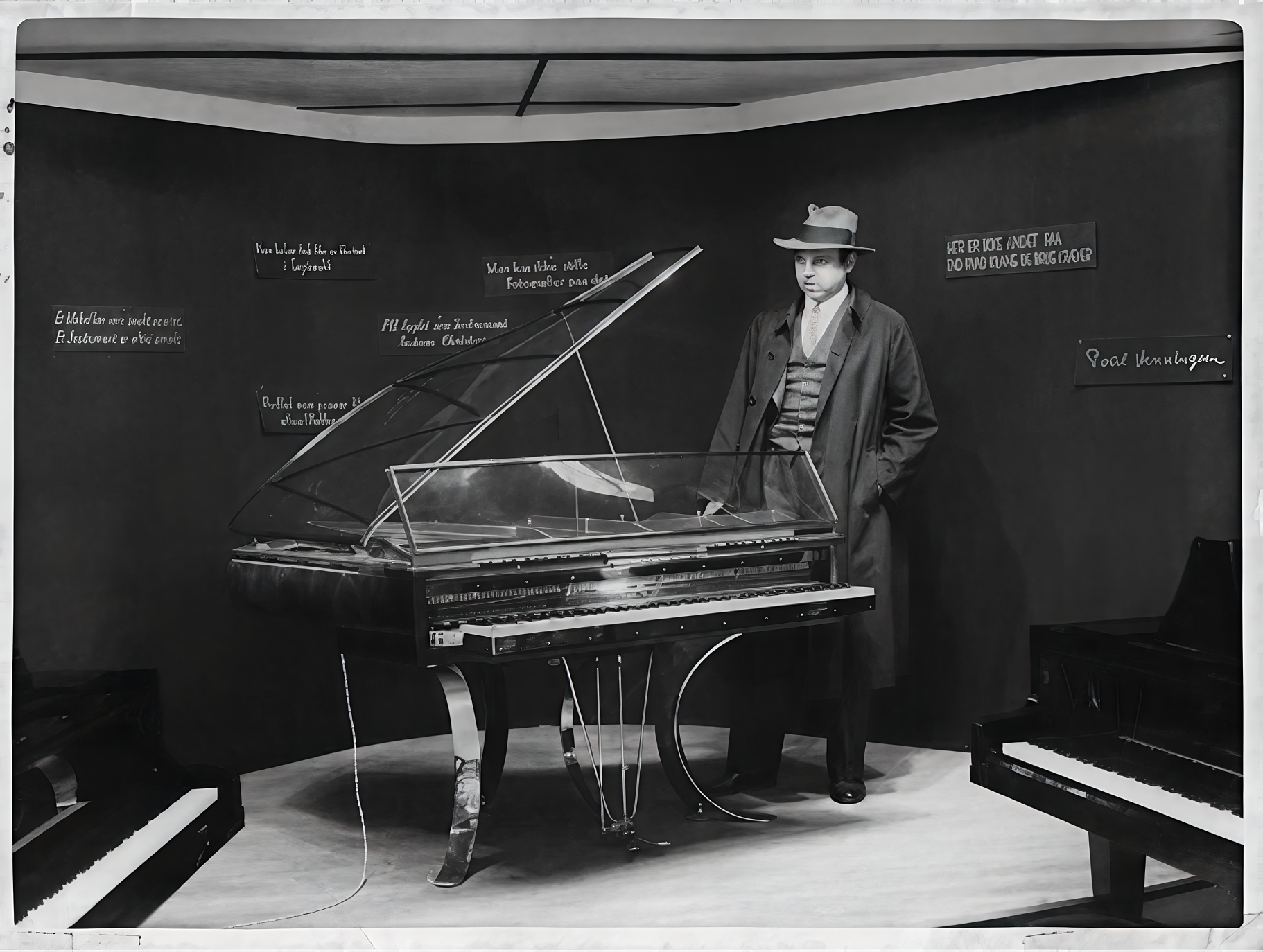
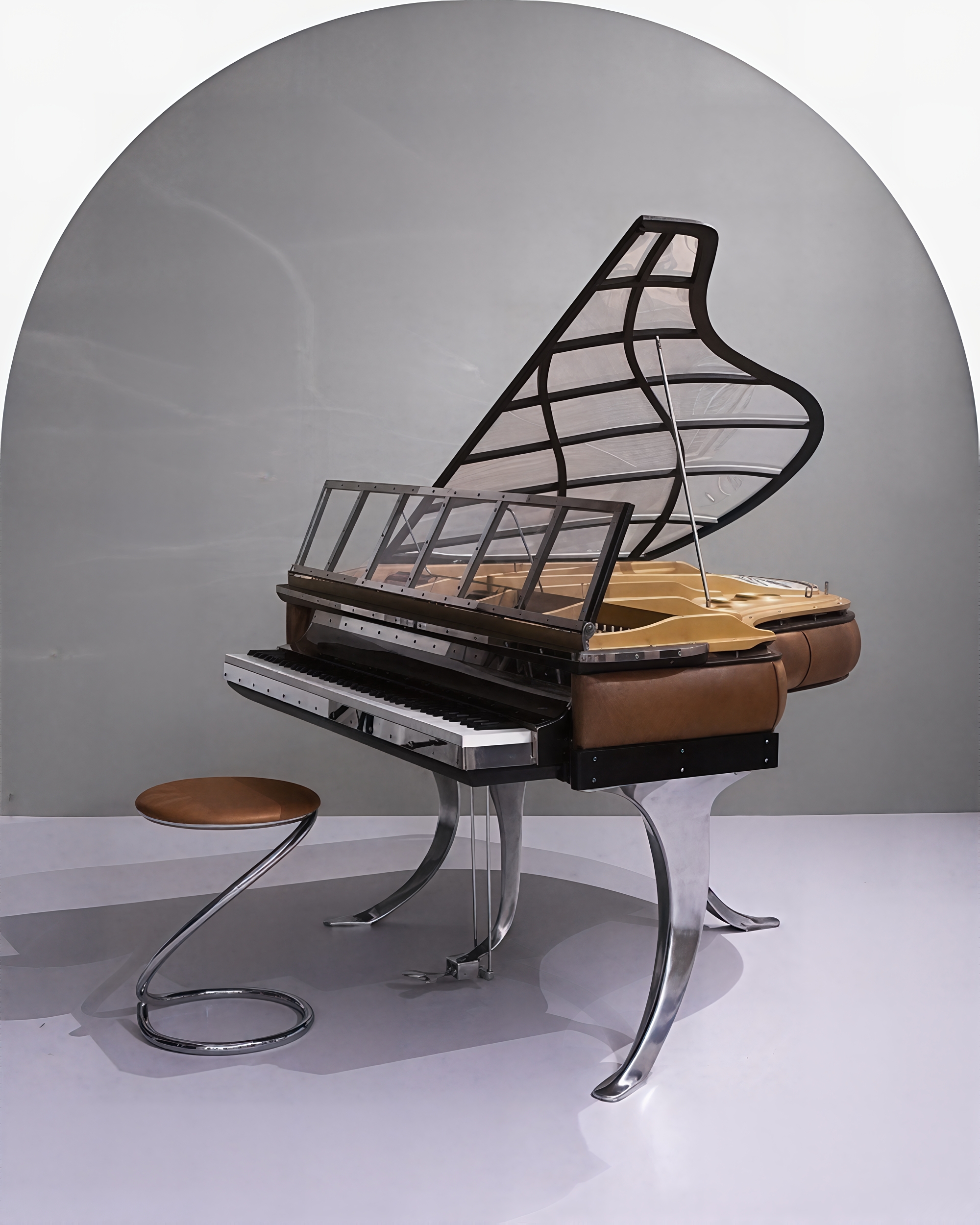
PRM: “Beyond the PH piano, what other great pianos are currently available in the center? How do they differ in character and purpose? While the PH piano is a current highlight, could other exceptional instruments also find a home in your salon? How do you select them?”
Alexey:
The PH Glass Lid Grand Piano is certainly our centerpiece, but it is not the only remarkable instrument in our collection. We also work with carefully selected instruments from Steinway & Sons, Petrof, and other distinguished makers.
Each piano has its own personality. Some are transparent and brilliant, others warm and orchestral. We choose instruments based on their artistic character rather than simply their brand.
Anastasia:
We are always open to welcoming instruments into our salon. What matters most is craftsmanship, sound quality, and whether an instrument contributes something unique to the artistic experience we want to create.
PRM: “Anastasia, your background blends musicology, psychology, and linguistics. How does this influence VIA’s mission? How do you perceive classical and neoclassical music in modern contexts?”
Anastasia:
My studies taught me that music is much more than sound. It is a language, a social phenomenon, and a powerful psychological experience. This understanding influences everything we do at VIA.
I am particularly interested in how music affects wellbeing, identity, and human connection. Classical and neoclassical music both have an important role today because they offer something increasingly rare: depth, reflection, and genuine emotional presence in a fast-moving world.
PRM: “Alexey, your journey – from Ecuador to Vienna – has been rich in cross-cultural influences. How does this inform your approach to VIA’s programming? With your multicultural background, how do you approach blending classical traditions with neoclassical innovations in VIA’s repertoire?”
Alexey:
Growing up between different cultures taught me that music is one of the few truly universal languages. Different traditions enrich one another rather than compete with one another.
At VIA, we strive to create programming that reflects this openness. We honor classical traditions while remaining curious about new artistic directions. Diversity of perspectives often leads to the most exciting artistic discoveries.
PRM: “VIA is described as an “intimate concert salon.” How do you balance grandeur and intimacy in this space?”
Anastasia:
For us, intimacy does not mean smallness. It means deep connection.
Alexey:
The salon allows audiences to experience world-class musicians at close range, without losing the sense of occasion and artistic significance. The space is elegant and refined, yet it remains personal and welcoming. We believe that this balance creates unforgettable concert experiences.
PRM: “How did the collaboration with Piano Revenge Days come about? What makes VIA the perfect host for this event?”
Anastasia:
We connected with the spirit of Piano Revenge Days. The festival combines artistic excellence with openness, curiosity, and innovation, values that are also at the heart of VIA.
Alexey:
Our space was designed precisely for encounters like these: bringing together artists, audiences, ideas, and different perspectives. We are delighted to host an event that encourages dialogue and exploration within the piano world.
PRM: “The PH piano is a statement in upcycling and design. How does sustainability play into VIA’s broader vision?”
Alexey:
Sustainability is not only about materials; it is also about mindset. Our instruments of PH Pianos demonstrate how existing resources can be reimagined and given new life through creativity and craftsmanship.
Anastasia:
We believe that cultural spaces should think responsibly about the future. Supporting long-lasting quality, preserving instruments, and encouraging thoughtful artistic production are all part of our broader vision.
PRM: “Anastasia, your podcast Happy Through Music explores psychology and performance. How might these themes resonate in Piano Revenge Days?”
Anastasia:
One of the central ideas of my podcast is that music has the power to transform us emotionally, psychologically, and socially. Piano Revenge Days brings together artists and audiences who share this belief.
Beyond technical mastery, music is about storytelling, vulnerability, and connection. These are themes that resonate deeply with both the festival and my work as a counselor and musician.
PRM: “Looking ahead, do you envision VIA hosting more cross-genre or interdisciplinary collaborations?”
Anastasia:
Absolutely. Some of the most inspiring artistic experiences happen at the intersection of different disciplines.
Alexey:
We are interested in collaborations that connect music with visual arts, architecture, literature, technology, psychology, movement, and design. The future of VIA is not about limiting artistic expression, but about creating a space where meaningful encounters can happen across disciplines.