Kirsten Susanne Böhm — When the Past Begins to Breathe Again
“The past is never dead. It’s not even past.” — William Faulkner, Requiem for a Nun
Classical music can be approached in many ways. For some musicians, tradition is something to preserve; for others, it becomes a starting point for exploring new sounds, ideas and forms of expression.
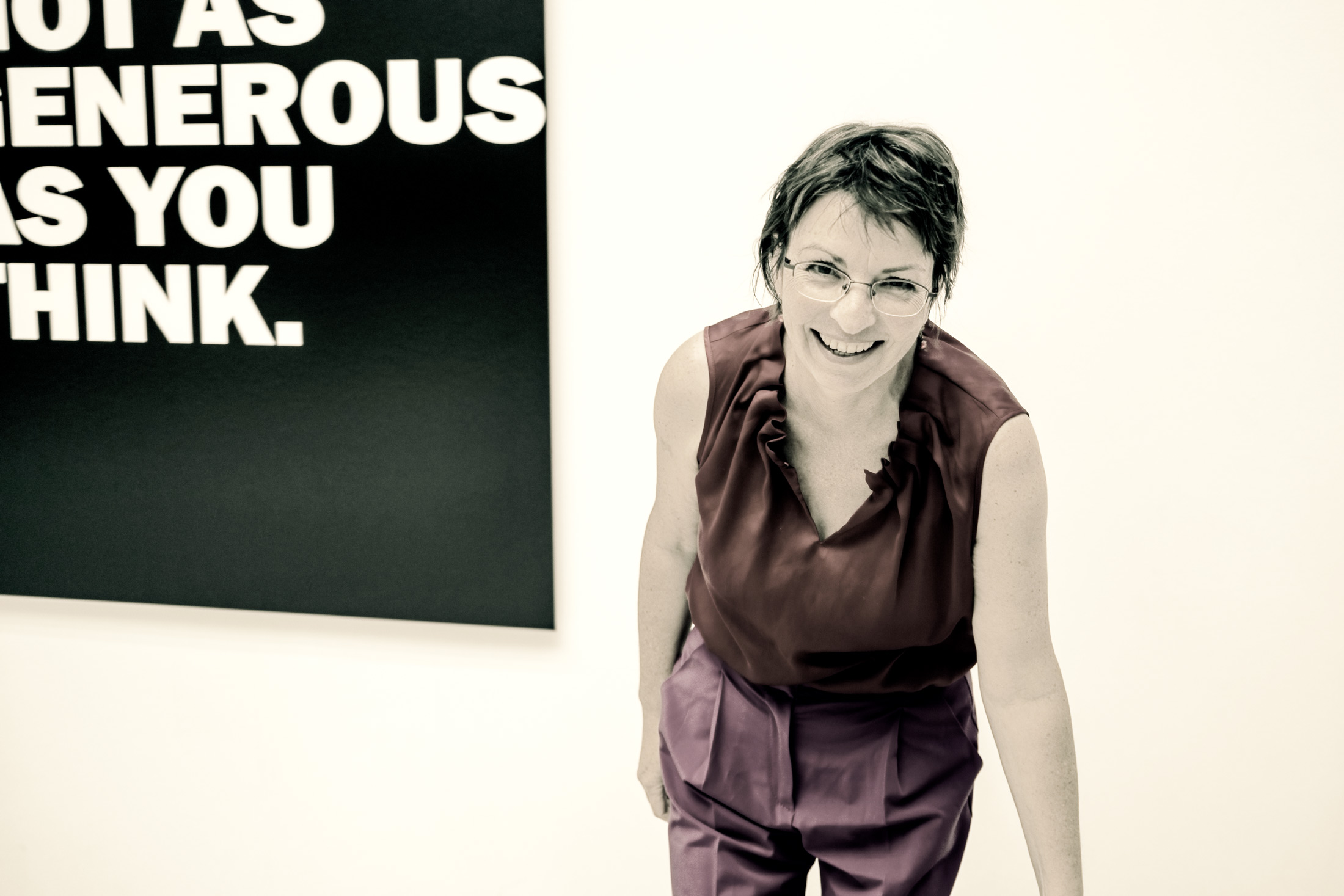
Kirsten Susanne Böhm has developed her own way of moving between these two perspectives. Her work brings together the classical repertoire with improvisation, contemporary piano practice and a strong sense of personal expression.
Soprano, pianist, composer and conductor, Böhm has spent much of her musical life moving between worlds that are too often kept apart: early music and contemporary expression, written repertoire and improvisation, voice and piano, historical knowledge and the freedom of the present moment. Based in northern Germany, she has developed a practice that is less interested in reproducing established forms than in discovering what might happen when those forms are opened again.
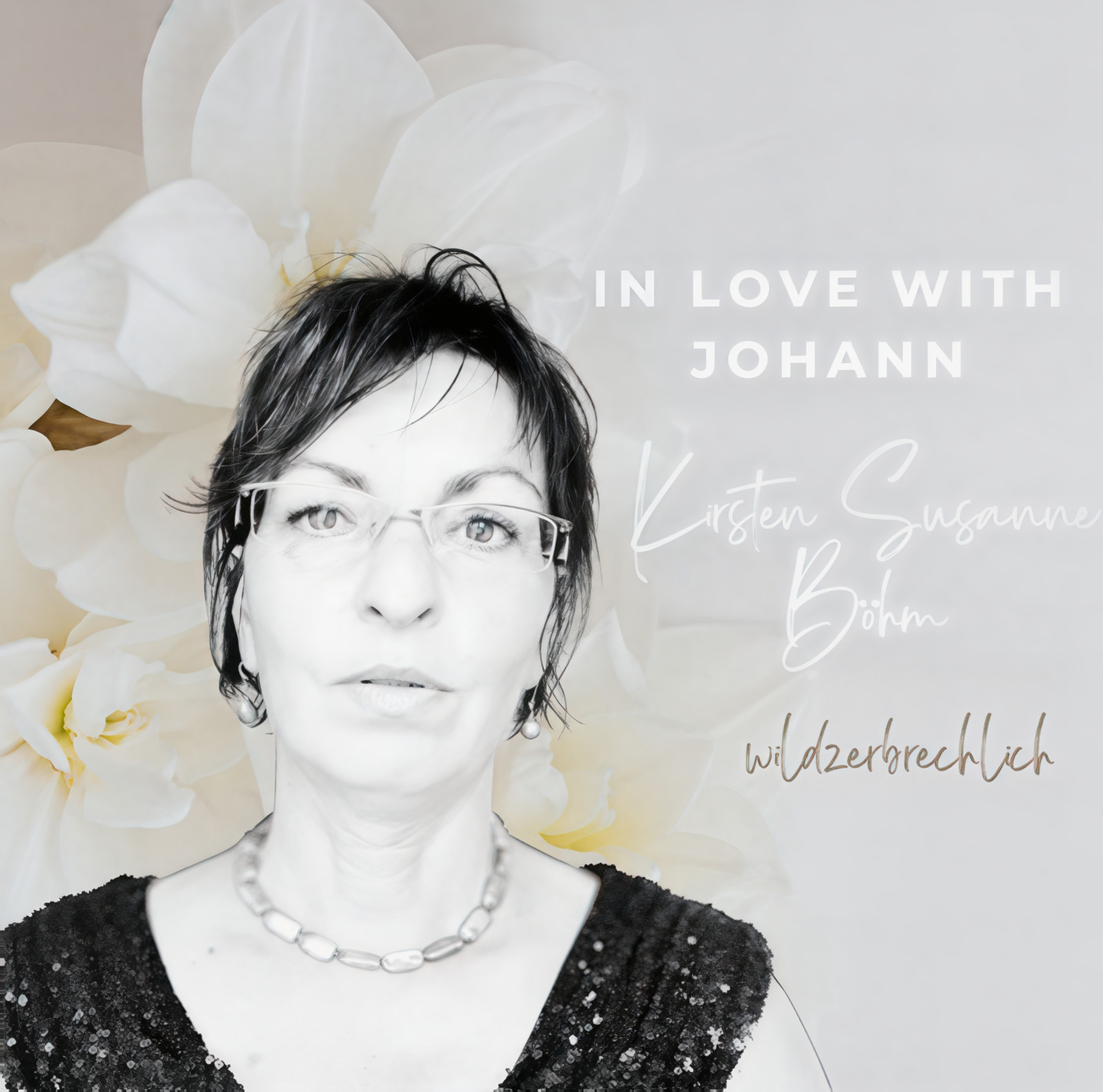
This becomes particularly fascinating when listening to her recent piano releases, “In Love With Johann” and “Johann’s Heartbreak.” The titles themselves suggest something unusual. “Johann” is not presented as a remote historical monument. He becomes a presence — almost a character — someone who can still be loved, questioned, remembered and perhaps even imagined anew.
That intimacy with the past is central to Böhm’s artistic world.
In Love With Johann
Released in May 2025, In Love With Johann is a concise five-minute statement, written, produced and performed by Böhm herself.
The title immediately invites a question: which Johann? For a musician whose artistic roots explicitly include Bach, the name inevitably carries the weight of Johann Sebastian Bach. Yet Böhm’s approach is not one of historical reconstruction. It is emotional rather than academic. The title turns the great name of the classical canon into something personal. And perhaps that is precisely where the piece becomes interesting.
To be “In love with Johann” is not necessarily to imitate Johann. It is to acknowledge the continuing attraction of a musical language while allowing oneself to stand somewhere else in time.
Böhm has described her relationship to classical music in precisely this way. Bach, Debussy, Messiaen and Schumann belong to her foundations, but she does not describe her task as reproduction. Instead, she speaks of transforming these influences into an individual sonic language. This distinction is important.
There is a difference between quoting the past and carrying its memory. Böhm seems much more interested in the second.
Johann’s Heartbreak
If In Love With Johann suggests intimacy, “Johann’s Heartbreak” introduces another emotional possibility.
Suddenly the historical figure becomes vulnerable. The two titles can almost be read as a miniature dramatic arc: affection and loss, attraction and melancholy, devotion and distance. Rather than treating classical history as a succession of names and dates, Böhm approaches it through human emotion.
This is characteristic of an artist whose work has consistently questioned the boundaries around classical music. Her earlier project Wildzerbrechlich already points toward this sensibility. “Wilderzerbrechlich: Whispering From Ancient Times,” released in December 2024, carries an almost paradoxical title: something wild and fragile, contemporary and ancient at once.
The phrase Whispering From Ancient Times could almost serve as a description of Böhm’s wider artistic philosophy. The past does not necessarily return to us through monumental gestures. Sometimes it whispers.
From ancient memory to the present moment
Böhm’s work becomes even more compelling when these recordings are considered alongside her developing concept of Piano Artistry.
She describes it not as conventional concert performance but as the creation of a space. Her performances can be improvised, without notation or predetermined form, with sound appearing in the moment and disappearing again. What remains, in her own words, is experience and memory. That idea changes the way we might understand her recordings.
The piano is no longer simply an instrument for delivering a composition. It becomes a place of encounter. A sound begins. A memory emerges. Something familiar is transformed. And then it disappears.
This philosophy also explains the apparent tension in Böhm’s artistic identity. She is deeply rooted in classical music, yet she repeatedly seeks ways to escape the expectations surrounding it. Her career has included early music, vocal performance, conducting, pedagogy, improvisation and crossover projects. Since 2008 she has worked independently as a musician and founded the Kleiner Chor Husum; she has also developed ensembles and programmes designed to place historical repertoire into new contexts.
Her ensemble refresh, for example, operates precisely at this border. Early music is combined with contemporary aesthetics and unusual instrumental colours — bandoneón, viola da gamba, chitarrone, baroque guitar and electric bass — while visual and performative elements can become part of the musical experience.
The principle is remarkably consistent: do not destroy tradition; disturb it enough for us to hear it again.
The piano as a meeting place
This makes Böhm’s piano work particularly relevant to the contemporary piano scene.
The piano has inherited an enormous historical burden. It is simultaneously one of the most familiar instruments in the world and one of the most difficult to make unfamiliar again.
Böhm approaches that problem from a different direction. Her experience as a singer means that musical phrasing is not only a question of keys, harmony or technique. Breath, resonance, silence and physical presence remain part of the vocabulary. Her practice as an improviser then opens that vocabulary further, allowing the piano to become less a machine for reproducing notation and more an instrument of immediate perception.
The result is an artistic territory between composition and improvisation. Between score and silence. Between what has already been written and what has not yet happened.
It is perhaps no coincidence that Böhm describes her performances through contrasting pairs: tenderness and intensity, fragility and strength, structure and freedom.
These are not contradictions to be solved. They are the space in which her music lives.
A different relationship with classical tradition
What makes In Love With Johann and Johann’s Heartbreak especially intriguing, therefore, is not simply their relationship with a historical name.
It is the attitude behind that relationship. Böhm does not appear to be asking how closely contemporary music can reproduce the past. She is asking what the past can still make us feel.
That is a much more intimate question. And perhaps a more contemporary one. In an era in which classical music is often presented either as untouchable heritage or radically deconstructed experiment, Böhm occupies a more fluid position. She keeps the emotional memory of the tradition while allowing its edges to become porous.
Her music can therefore be heard as an invitation rather than an explanation. Listen again. Look again. Stay a little longer. Something you thought you already knew may have changed.
Toward Paris
It is precisely this spirit of curiosity that makes Kirsten Susanne Böhm a natural part of the Piano Revenge Festival Paris 2027 Main Selection.
Piano Revenge has always been interested in artists who understand the piano not merely as an instrument, but as a language capable of carrying different generations, aesthetics and forms of expression.
Böhm brings another dimension to that conversation. Her music begins with an intimate relationship to classical tradition, but it does not end there. It moves toward improvisation, atmosphere, soundscape and the possibility of creating a unique encounter between performer, instrument, space and listener.
Perhaps, ultimately, this is what “Johann” represents in these recent works. Not simply a composer. Not simply a historical figure. But a door.
A way of looking backwards without becoming nostalgic, and forwards without abandoning memory. The past remains there — but it is breathing. And in Kirsten Susanne Böhm’s hands, the piano becomes one of the places where we can still hear it.
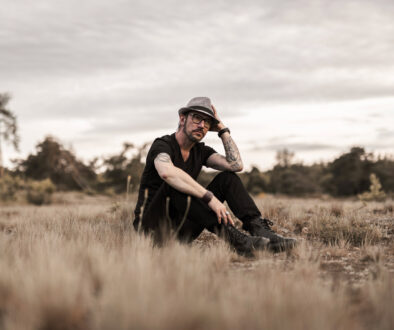
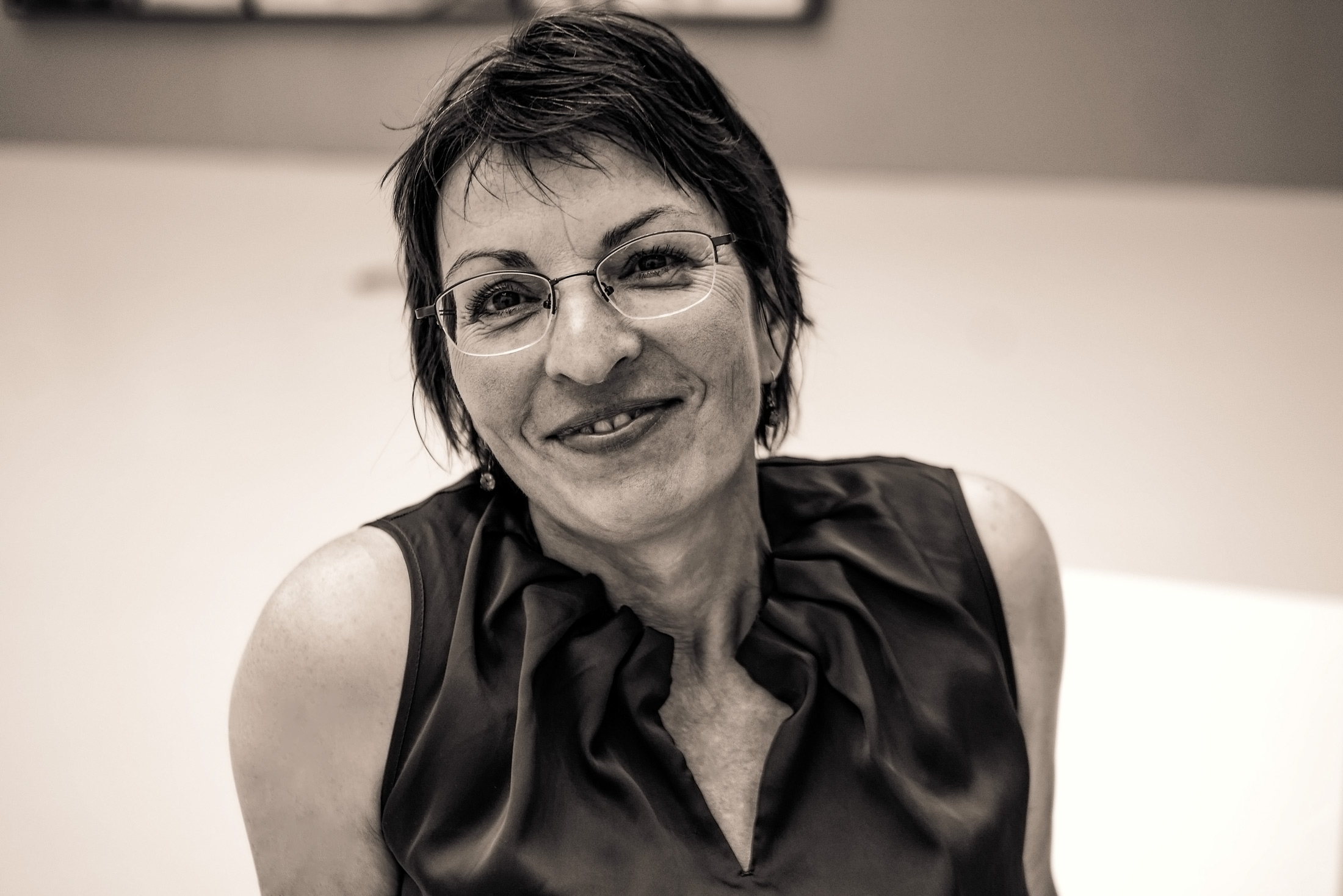
Photos by : Jens F. Kruse