Michel Legrand: The Piano Behind the Cinema
Michel Legrand did not write melodies as if they were finished objects. At the piano, they were living things — capable of changing their colour, their temperature, even their meaning with a single chord.
This is perhaps the most revealing way to approach Legrand:
not through cinema, but through the keyboard
Before the sweeping strings, the orchestras and the unforgettable film scores, there was a pianist listening closely to what happened between one note and the next. Legrand’s particular genius was not simply his gift for melody, but his ability to make harmony behave like emotion: to let a bass note alter the atmosphere, to make an unexpected chord feel inevitable, to allow a melody to remain simple while everything beneath it becomes infinitely more sophisticated.
The cinema made Legrand famous. The piano explains why his music sounds the way it does.
His musical imagination was formed through an unusual encounter between classical discipline, jazz freedom and the instinctive intimacy of the French song. All three remained audible throughout his career — and the piano was where they met.
To understand Legrand, then, it is worth returning to the beginning: to a child, an old piano, and the solitary discovery that an entire musical world could be contained within eighty-eight keys.
It is tempting to remember him through the great titles: The Umbrellas of Cherbourg, The Young Girls of Rochefort, The Thomas Crown Affair, Summer of ’42, The Go-Between. But behind the orchestras, the strings, the Hollywood scores and the unforgettable melodies was something much more intimate:
a pianist who never stopped thinking from the keyboard
For Legrand, the piano was not simply his first instrument. It was his first world.
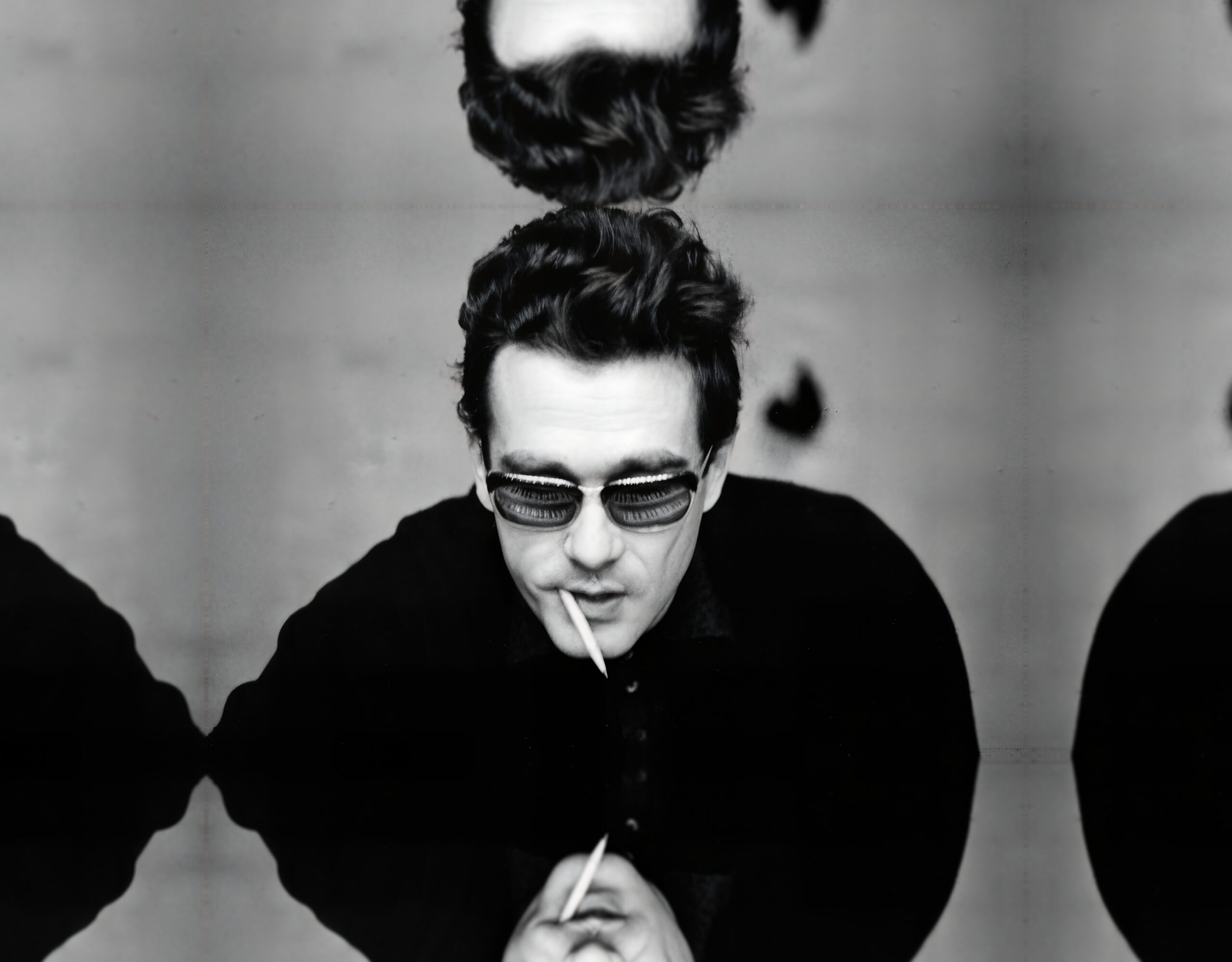
The old piano
Michel Legrand’s relationship with the piano began in circumstances that were almost cinematic themselves.
His father left the family when Michel was very young, and his mother had to work. As a child, Legrand spent long periods alone. There was, however, an old piano left behind at home.
He gravitated toward it instinctively. He listened to songs on the radio and then tried to find them on the keyboard: first the melody, then the harmonies underneath it. He was not merely learning songs — he was discovering the architecture of music by ear.
In later interviews, Legrand described the piano of his childhood almost as a companion. He had found a way to turn solitude into sound.
This is perhaps one of the most revealing facts about his later music. Legrand’s extraordinary harmonic sophistication never destroyed his instinct for melody. Quite the opposite: the melody always remained at the centre. He had learned music first as something heard, felt and reconstructed at the piano.
When he eventually entered the Paris Conservatoire as a child, he did not simply enter a school. He entered, in his own words, a world where everything was music.
From the Conservatoire to freedom
The classical training was formidable.
At the Paris Conservatoire, Legrand studied with musicians including Nadia Boulanger, Henri Challan, Noël Gallon and Lucette Descaves. He received major prizes and developed an extraordinary command of harmony, counterpoint, fugue and piano. Boulanger was particularly important. Her teaching gave Legrand a rigorous musical foundation — the ability to hear structure beneath surface, to understand how a melody can be transformed, harmonised and developed. But Legrand was never destined to remain inside one musical language.
Then came jazz.
After hearing Dizzy Gillespie and his big band in Paris in the late 1940s, Legrand discovered something that classical training could not give him in the same way: freedom.
Improvisation. The possibility that the pianist could compose while playing. The possibility that harmony could move somewhere unexpected.
Legrand later recalled that jazz attracted him precisely because he loved the freedom of improvisation. And this is where the pianist becomes essential to understanding the composer.
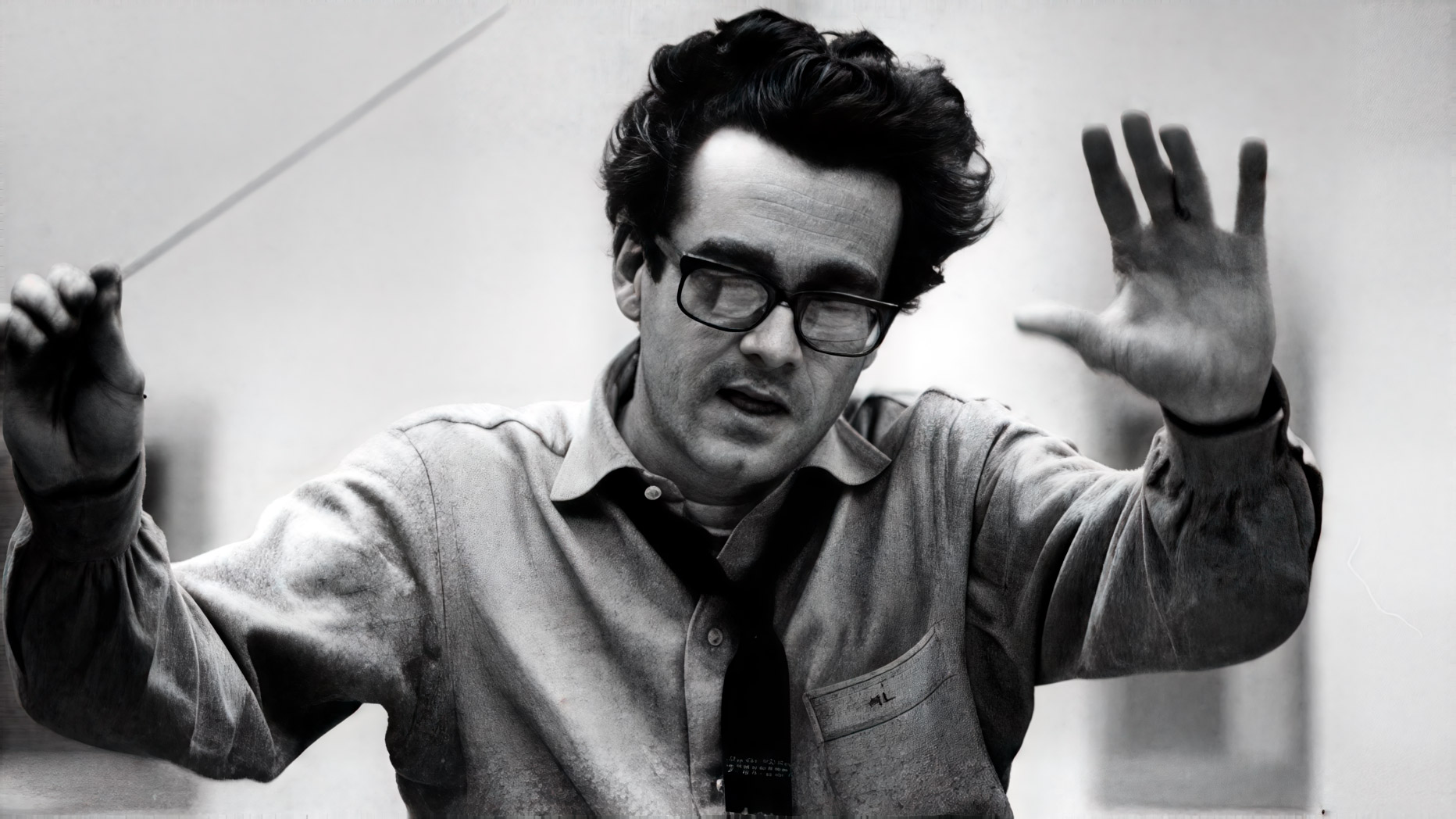
The left hand and the unexpected chord
Listen to Legrand from the piano side and his music begins to reveal a different identity.
His melodies are extraordinarily singable, but they rarely sit on predictable harmonic ground. A simple melodic line can suddenly be illuminated by a sophisticated seventh, ninth or thirteenth chord. A phrase can seem to float, change colour, hesitate — and then resolve somewhere emotionally surprising.
This was the meeting point of three worlds:
the discipline of the Conservatoire, the freedom of jazz, and the instinct of the chanson.
The result was a musical language that could be elegant without being restrained.
The piano was perfectly suited to this.
It could be intimate and orchestral at the same time. The right hand could sing a melody almost like a vocalist, while the left hand — or the inner voices — could quietly transform the emotional meaning beneath it.
In Legrand’s music, harmony is not decoration. It is narrative. A chord can change the temperature of a scene.A bass note can make a familiar melody suddenly nostalgic.A single altered harmony can turn romance into uncertainty. That is one reason his music remains so effective even away from the screen.
The pianist who entered cinema
Legrand began working in film in the 1950s, but his cinema music truly became revolutionary through his collaboration with Jacques Demy. The Umbrellas of Cherbourg is perhaps the ultimate example.
Everyday dialogue becomes melody. Ordinary conversation becomes rhythm. The emotional world of the characters is carried continuously by music.
From a pianist’s perspective, this is fascinating because Legrand treats melody almost as spoken language. The melodic line does not simply accompany the characters — it becomes their voice.
The piano is therefore not merely an instrument within the score. It is part of the composer’s thinking.
And Legrand’s cinematic writing often retains something pianistic even when the piano itself is surrounded by a large orchestra. His orchestral textures can feel like expanded keyboard harmony: layers of voices, colouristic inner parts, moving basses and melodies that seem to travel from one register to another.
The BFI has described one of the defining characteristics of his scoring as the way sweeping strings can support individual melodic lines on piano or woodwind, giving the music both emotional intimacy and sophistication.
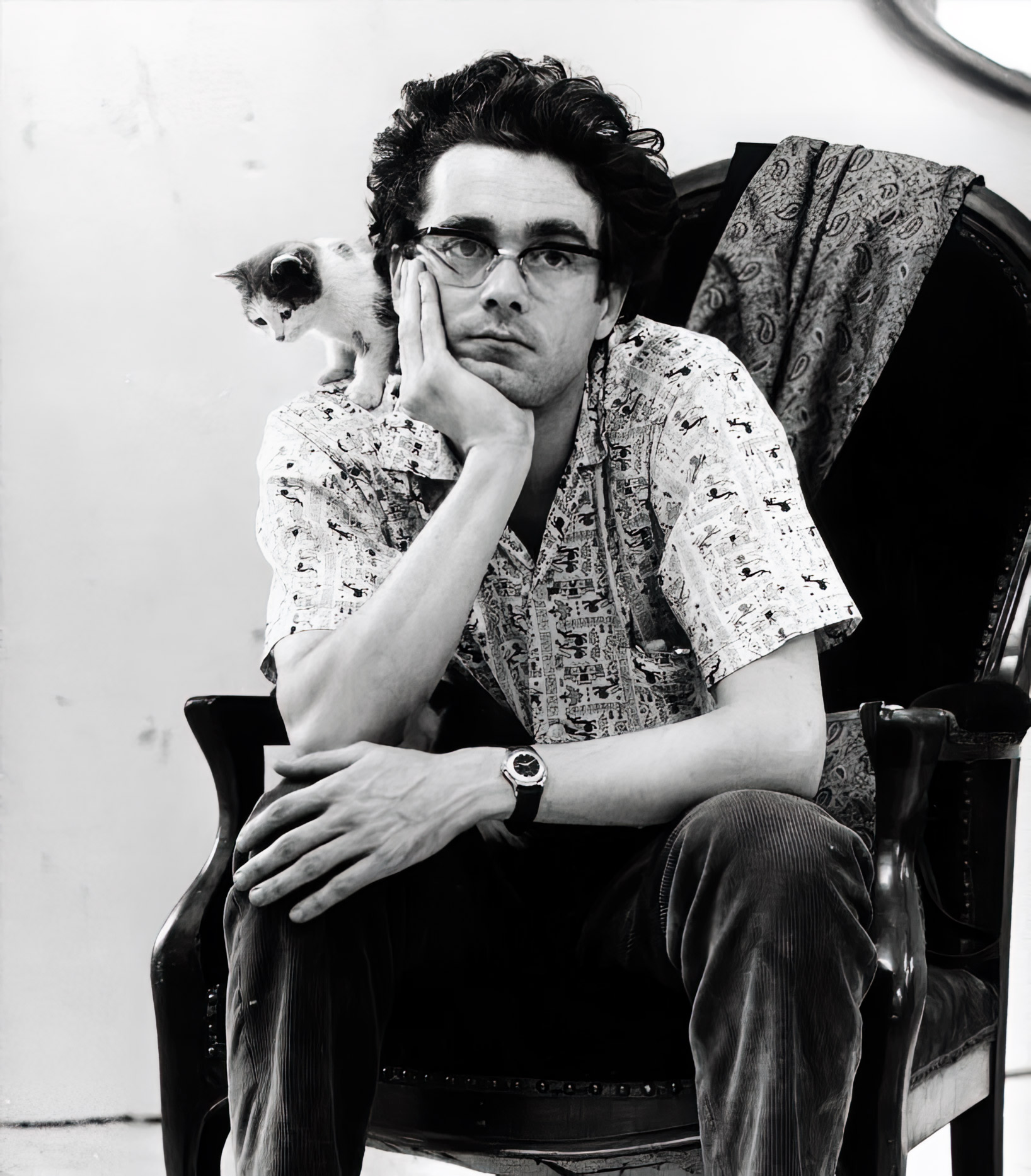
The Thomas Crown Affair: when the piano becomes seduction
Perhaps nowhere is Legrand’s pianist’s instinct more revealing than in The Thomas Crown Affair.
The famous love sequence does not begin with overwhelming orchestral grandeur. Instead, the music emerges with a jazz-inflected piano-and-harp atmosphere before expanding through percussion and strings. The effect is remarkable.
The harmony seems to move with the characters.
The music does not tell us what they are feeling in a literal way. It creates a space in which their emotions can exist.
This is the great difference between a functional film composer and a musician like Legrand: he could make harmony itself sensual.
The piano becomes a kind of camera.It moves closer.It withdraws.It changes focus.It notices a gesture before the audience consciously does.
The sequence became so closely tied to Legrand’s music that the director ultimately edited the scene around the score.
A pianist who refused to choose
Legrand’s career is also remarkable because he never accepted the idea that he had to belong to one musical world.
Classical music, jazz, French chanson, film, popular music, improvisation, orchestral writing.
He moved between them constantly.
His celebrated 1958 album Legrand Jazz brought together major jazz figures including Miles Davis and Bill Evans, while his film work brought his harmonic imagination to an international cinema audience.
And yet, despite all these transformations, the pianist remained visible underneath.
Perhaps that is why Legrand’s music can be reduced so easily to a few notes and still be recognised.
The pianist is always searching for the next colour.
The piano as a way of composing
There is a particular kind of composer who writes at the piano, and another who writes through the piano. Legrand belonged to the latter.
The keyboard gave him a physical understanding of harmony. He could hear several musical dimensions simultaneously: bass, inner voice, melody, rhythm and colour. This may explain the remarkable density of his harmonies without any loss of naturalness.
His music can sound effortless.
But the effortlessness is deceptive. Behind a seemingly simple melody is often an entire harmonic universe. This is also why pianists continue to find his music so rewarding. A Legrand melody may look accessible on the page, but the real work begins when one asks:
What is happening underneath it?
Where does the phrase breathe? Which note is carrying the tension? Why does this particular chord feel inevitable, even though it was not predictable? Where does jazz enter the harmony? Where does the classical musician reveal himself? And where does the French songwriter suddenly take over?
These questions lead us directly back to the old piano of Legrand’s childhood. He began by finding melodies on the keyboard. He spent his life finding new worlds underneath them.
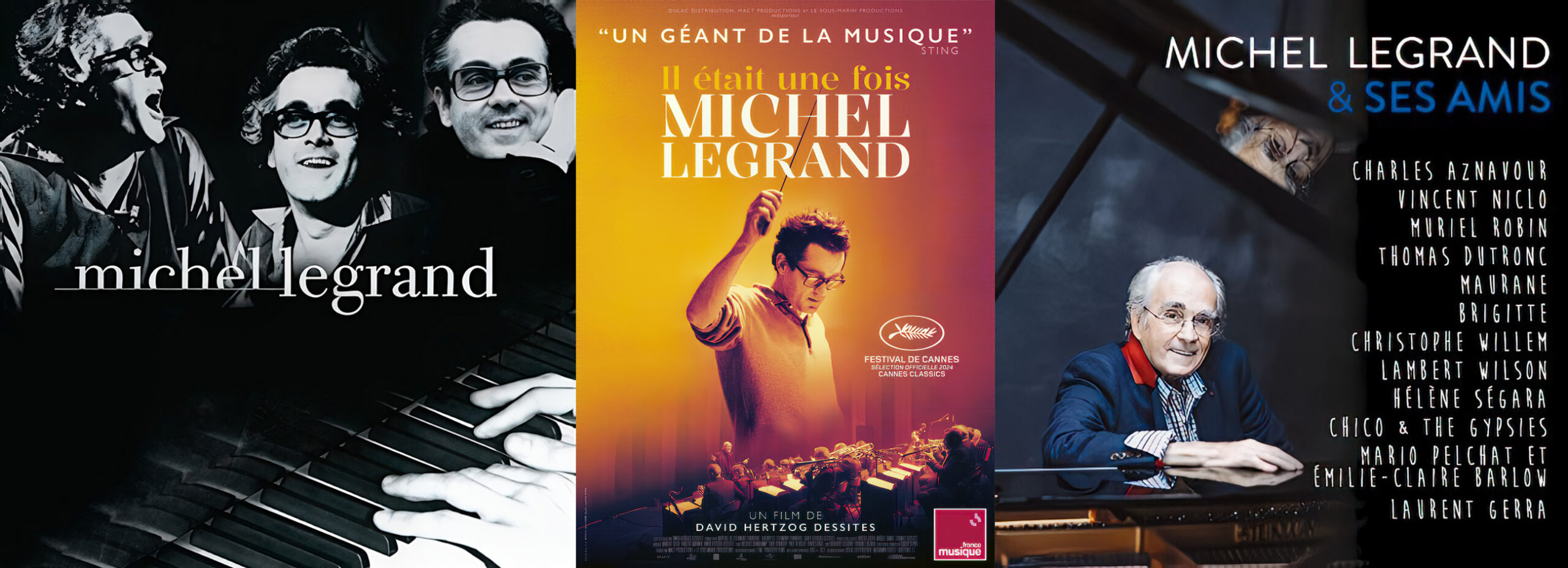
The legacy of a pianist
Michel Legrand died in 2019, leaving behind more than 200 film and television scores and a vast recording catalogue across jazz, classical and popular music.
But perhaps numbers are the least interesting way to measure his legacy. For pianists, Legrand represents something much more personal. He represents the possibility of refusing to choose.
A pianist can be classically trained and still improvise.
A composer can write sophisticated harmony and still love a beautiful melody. A film composer can write music that survives perfectly well outside the film.
And a piano can be, simultaneously, an instrument, an orchestra, a laboratory, a refuge and a way of understanding the world.
Legrand’s story began with a child sitting alone at an old piano, listening to songs on the radio and searching for their melodies.
Decades later, those melodies had travelled through concert halls, jazz clubs, Parisian streets, Hollywood studios and some of the most memorable films of the twentieth century.
But perhaps the essential Legrand was always there at the beginning:
a child, a piano, a melody — and the irresistible desire to discover what harmony might be hiding underneath.
That is the piano story of Michel Legrand.