Piano Revenge Days Venice: A New Chapter for Contemporary Piano Music
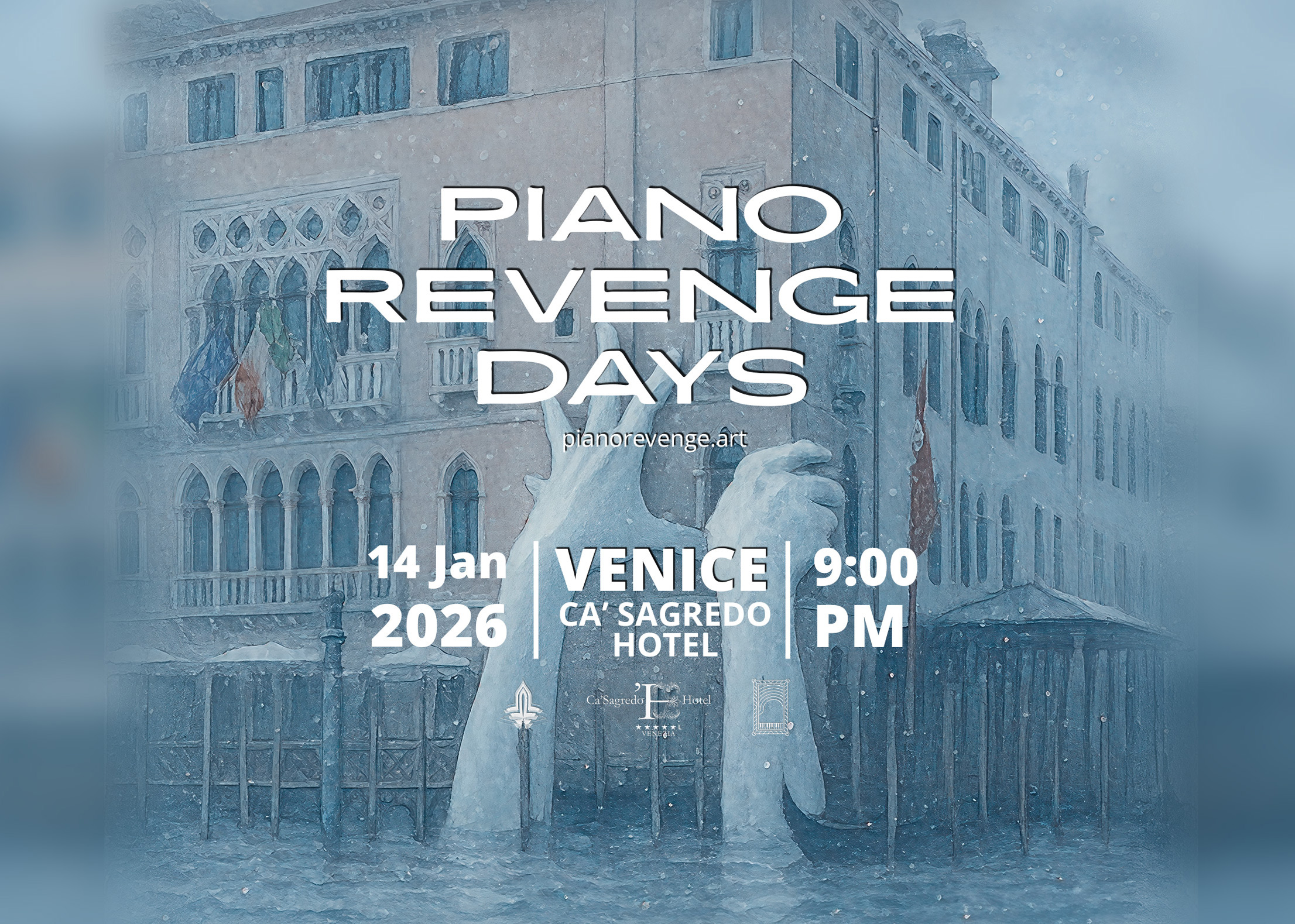
14 January 2026 · Ca’ Sagredo Hotel, Venice
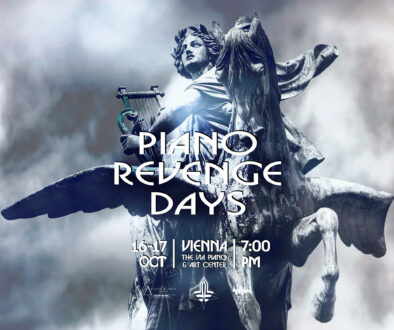
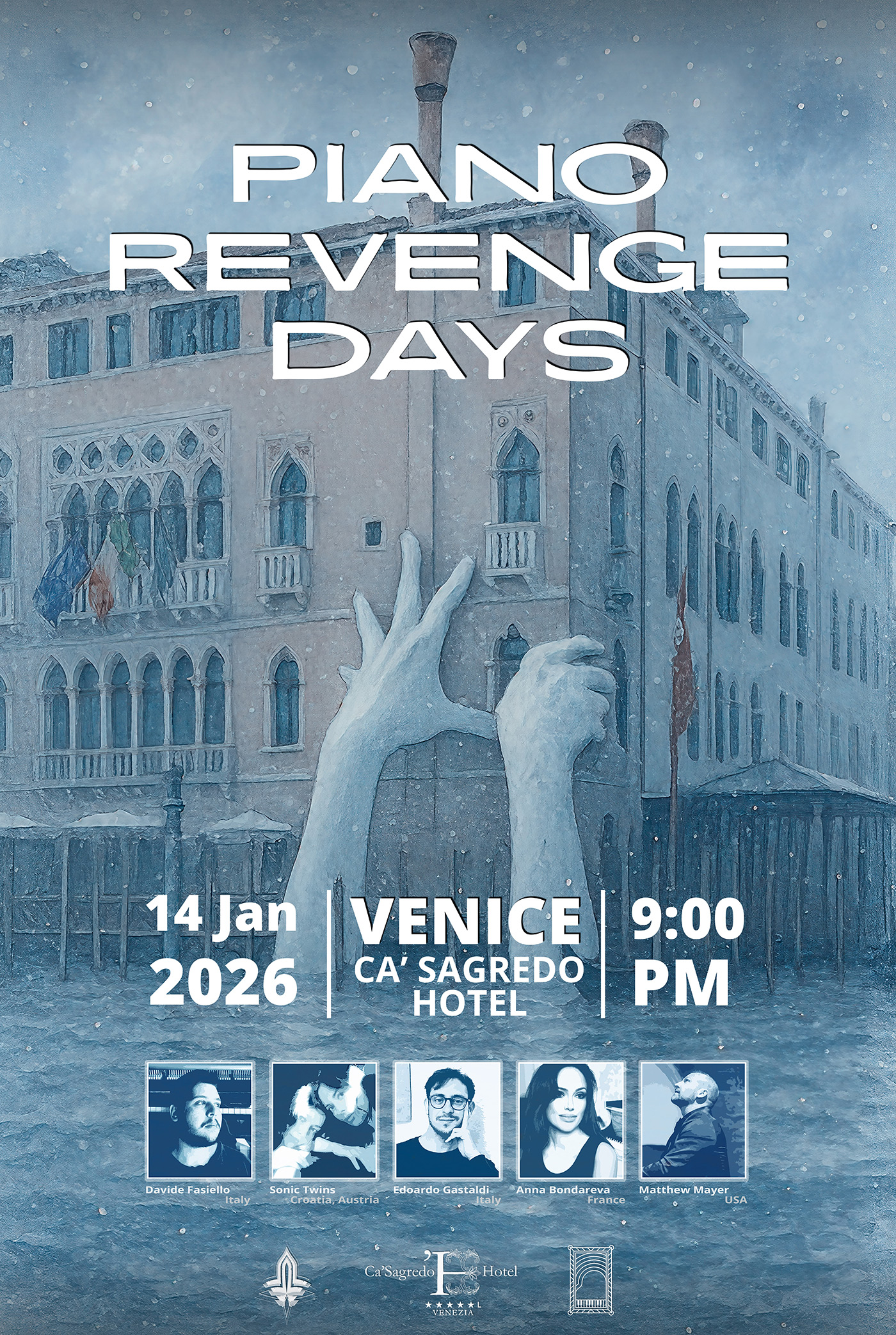
On 14 January 2026, Piano Revenge brought its artistic programme to Venice for the first edition of Piano Revenge Days Venice, marking an important step in the development of the project beyond its Parisian origins.
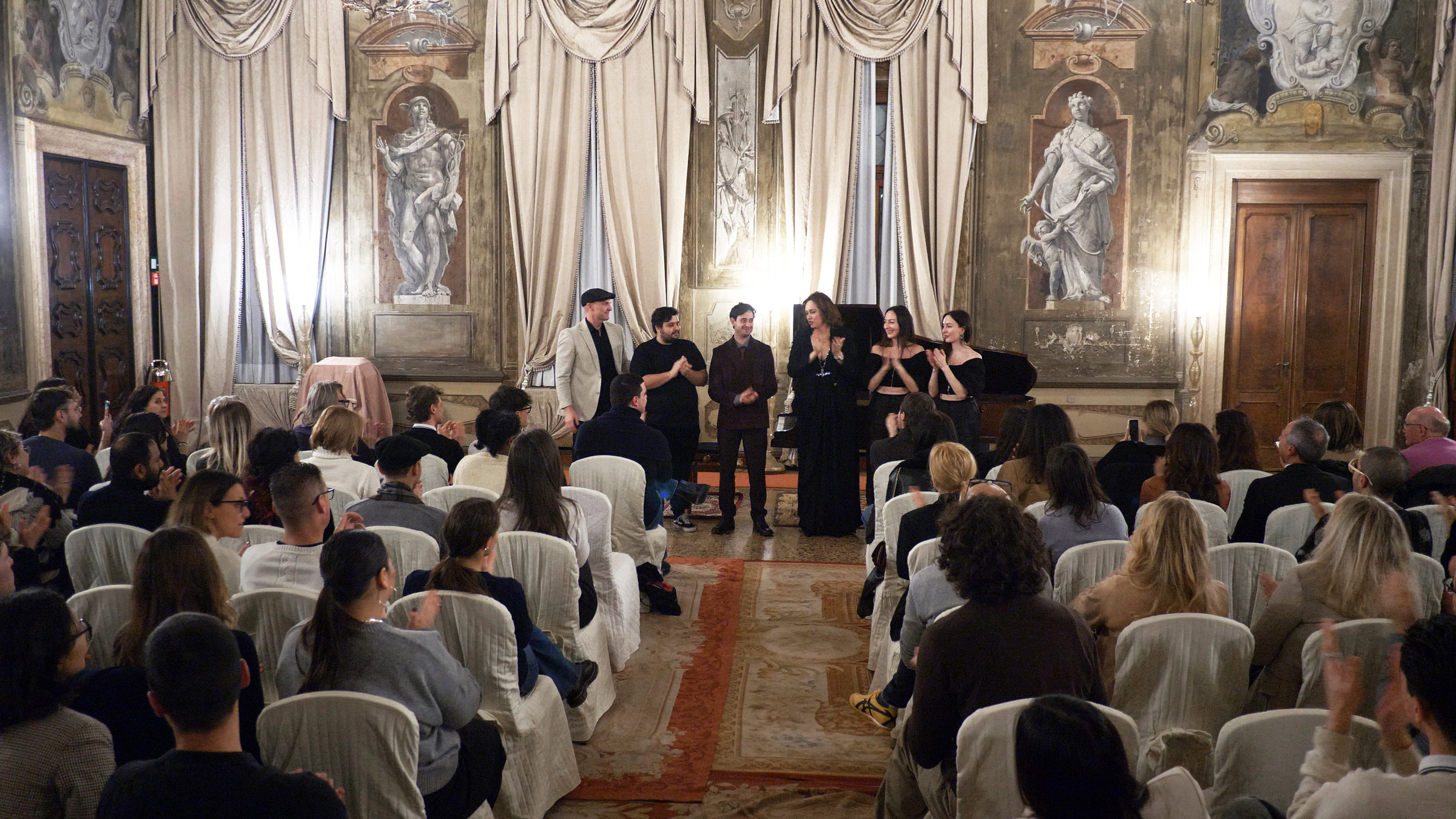
The event took place at Ca’ Sagredo Hotel, one of Venice’s historic palaces overlooking the Grand Canal. Against this remarkable architectural backdrop, five artists came together for an evening centred on the piano and on the diversity of contemporary approaches to the instrument.
The choice of Venice was particularly fitting. The city has long been associated with artistic exchange, international culture and experimentation, and Ca’ Sagredo offered a setting in which contemporary piano music could exist naturally alongside centuries of history.
“Venice gave Piano Revenge something more than a stage. It gave the music an atmosphere.”
For Piano Revenge, the evening was not intended simply as a concert in another European city. It was an opportunity to test how the project’s format, which combines intimate performances, international artists and distinctive venues, could develop in a new cultural environment.
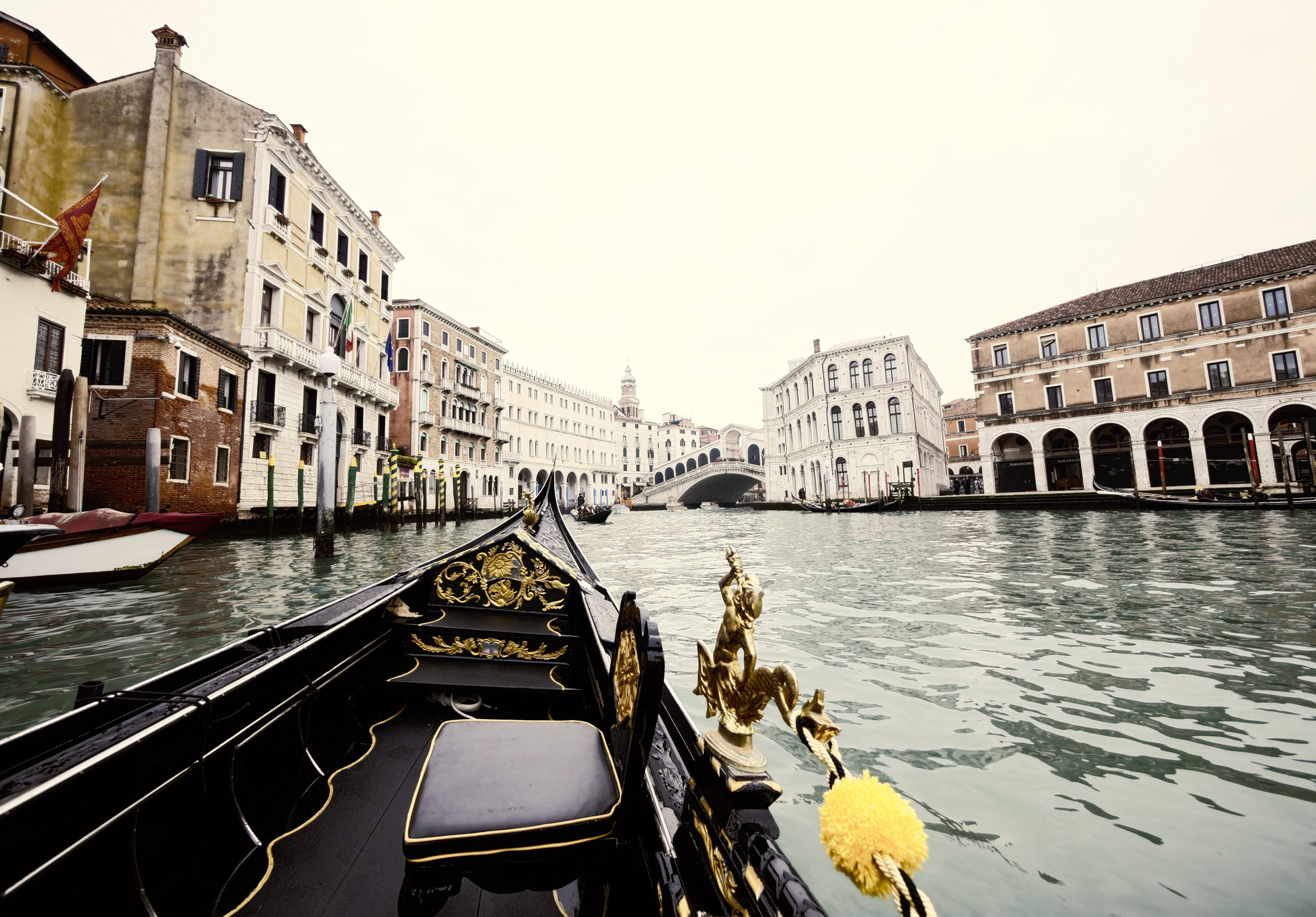
From Paris to Venice
Piano Revenge was established in Paris with the ambition of creating opportunities for pianists and composers to present their work in a more open and intimate context. Rather than limiting contemporary piano music to the traditional concert hall, the project places considerable importance on the relationship between music, architecture, audience and atmosphere.
Piano Revenge Days was developed from this approach. The format allows artists from different backgrounds and musical traditions to share the same programme while performing in locations that contribute to the identity of each event.
Venice became the first international destination for the format.
The city offered a natural continuation of the project’s philosophy. For centuries, Venice has been a crossroads for artists, musicians and cultural movements, and the presence of an international piano programme within one of its historic palaces created a meaningful connection between the city’s heritage and the contemporary music being presented.
An evening at Ca’ Sagredo
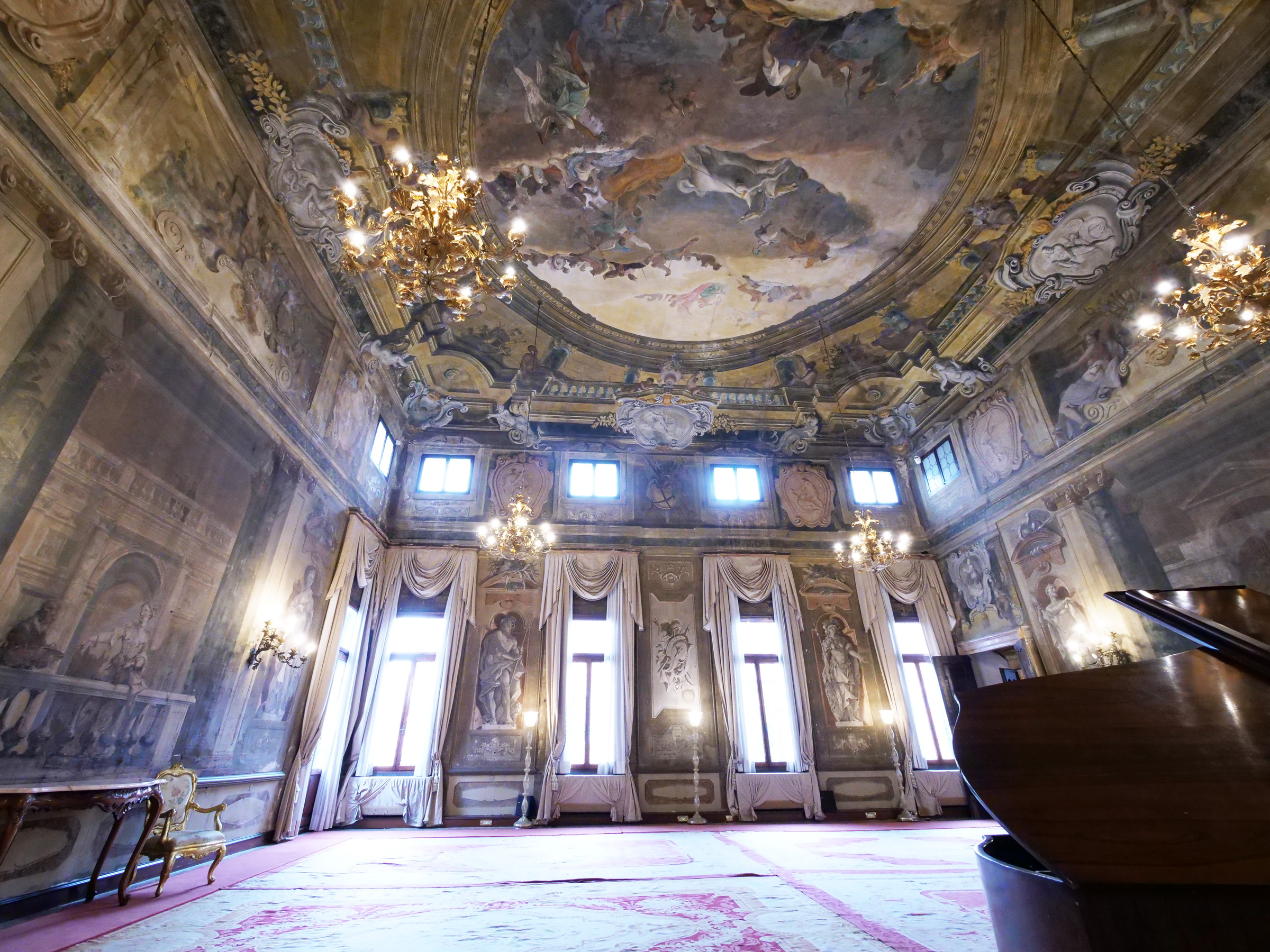
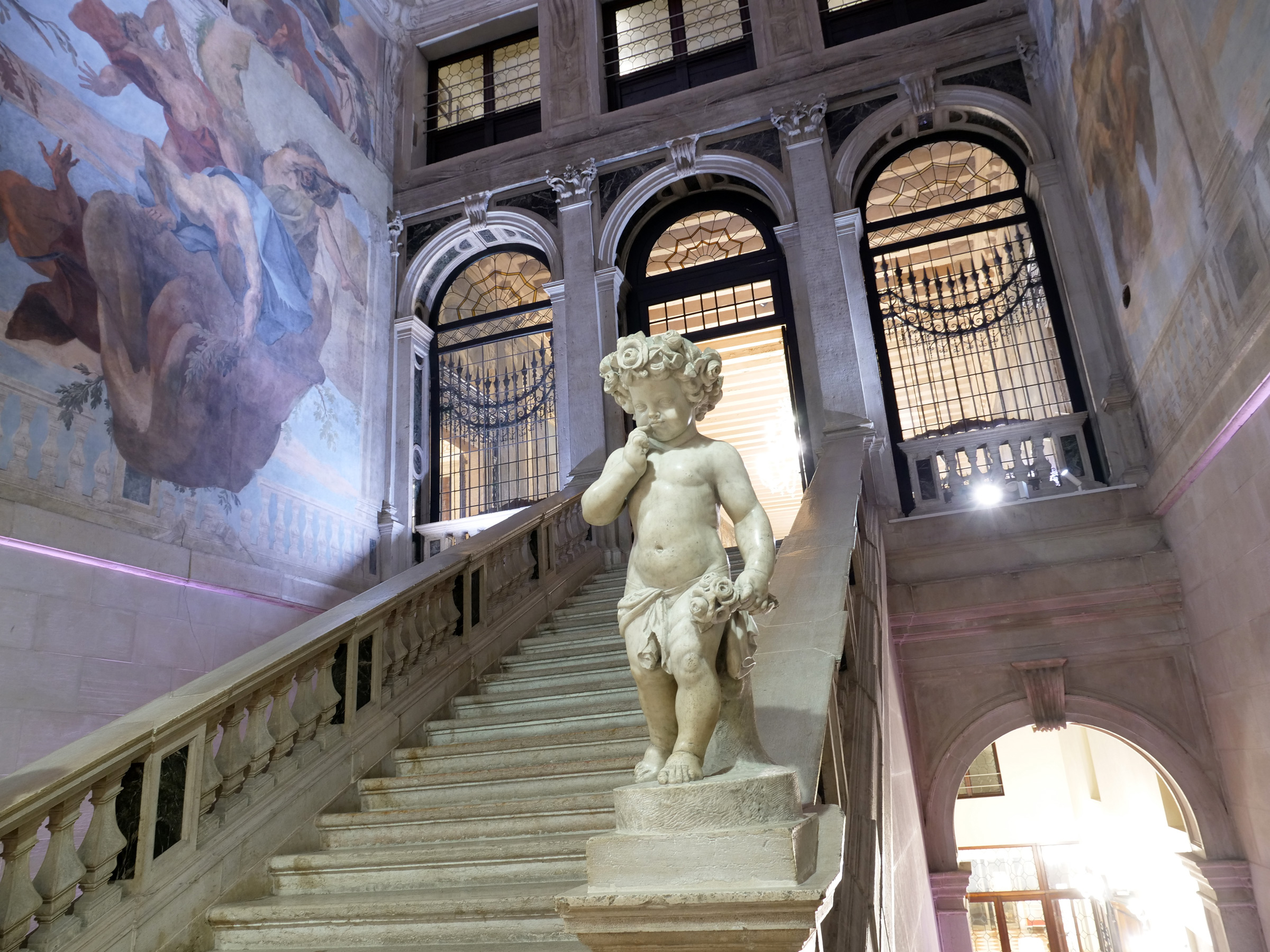
Ca’ Sagredo Hotel provided an especially distinctive environment for the event. Located directly on the Grand Canal, the historic palace combines Venetian architecture with a long cultural history, making it considerably different from the conventional concert venue.
The setting influenced the character of the evening without competing with the music. The audience experienced the performances within a building whose interiors and atmosphere were already part of Venice’s cultural landscape.
This relationship between historical architecture and contemporary music is central to what makes the Piano Revenge Days format distinctive. The intention is not to recreate a traditional recital in an unusual location, but to allow the venue itself to become part of the experience.
“The architecture carried centuries. The music carried tomorrow.”
At Ca’ Sagredo, the contrast was particularly effective: an historic Venetian interior provided the context for music written and performed in the present day.
Five artists, five perspectives
“Piano Revenge has never been interested in one definition of modern piano music.”
The Venice programme brought together Anna Bondareva, Edoardo Gastaldi, Davide Fasiello, Sonic Twins and Matthew Mayer.
The selection reflected one of Piano Revenge’s central principles: contemporary piano music does not have to be defined by a single aesthetic or musical language. Each artist approached the instrument from a different perspective, creating a programme based on individuality rather than stylistic uniformity.
Anna Bondareva
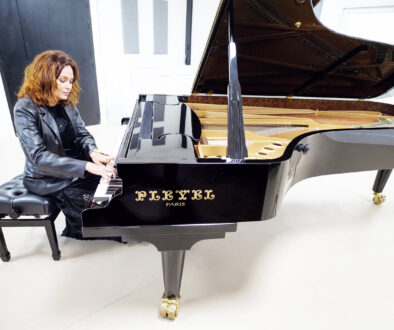
Anna Bondareva contributed a strongly personal interpretation to the programme, highlighting the expressive potential of the piano and the direct relationship between performer and audience.
Her performance formed an important part of the intimate character of the evening, in keeping with the Piano Revenge approach of giving artists space to present their musical identity rather than fitting them into a predetermined format.
Edoardo Gastaldi
Edoardo Gastaldi brought another perspective to the programme, contributing to the broader contemporary piano landscape represented throughout the evening.
His participation reflected the international and open character of Piano Revenge Days, where different artistic backgrounds can exist alongside one another within the same programme.
Davide Fasiello
Davide Fasiello added another individual voice to the evening. His contribution reinforced the variety of the programme and the project’s interest in presenting artists whose approaches to the piano cannot easily be reduced to one category.
This diversity was important to the structure of the Venice event. Rather than following a single stylistic direction, the programme allowed the audience to move between different interpretations of what contemporary piano music can be.
Sonic Twins
The Sonic Twins, Anna and Anastasiia, brought a different physical dimension to the instrument through their four-hands performance.
The four-hands format requires an exceptional level of coordination and communication between two performers sharing the same keyboard. It also changes the visual relationship between the pianist and the instrument, creating a performance that is simultaneously musical and physical.
Their appearance provided one of the programme’s most distinctive moments and demonstrated how familiar piano formats can be reconsidered within the context of a contemporary concert.
Matthew Mayer
Matthew Mayer completed the programme with another international perspective on contemporary piano performance.
His contribution added to an evening deliberately built around contrasting personalities and approaches. Together, the five artists demonstrated the breadth of the contemporary piano scene and the variety of ways in which the instrument continues to be used by today’s composers and performers.
Rethinking the concert format
One of the defining characteristics of Piano Revenge is its interest in moving beyond the conventional boundaries of classical performance.
This does not mean rejecting the traditions associated with the piano. Instead, the project seeks to place those traditions in new contexts and create opportunities for contemporary artists to communicate directly with audiences.
The Piano Revenge Days format is particularly suited to this approach. By bringing artists into historic, intimate or otherwise distinctive spaces, the concerts become encounters between music and place rather than simply performances presented in a neutral environment.
The Venice edition demonstrated the potential of this model.
Ca’ Sagredo was not treated simply as a backdrop. Its architecture and atmosphere influenced the way the evening was experienced, while the contemporary programme created a clear connection between the historical identity of the venue and the music of the artists performing there.
Venice as an international meeting point
There was also a broader significance to bringing Piano Revenge Days to Venice.
The project has always placed importance on international artistic exchange. Its artists come from different backgrounds, and its audience extends beyond a single national or cultural scene.
“The concert did not simply take place in Venice. For a few hours, Venice became part of the concert.”
Venice, with its long history as an international centre of commerce, culture and artistic exchange, provided an appropriate environment for this next stage.
The event therefore represented more than a geographical expansion. It demonstrated that the Piano Revenge concept could be adapted to another cultural context while maintaining its essential character: intimate performances, individual artistic voices and a strong relationship between music and place.
The beginning of an international journey
Piano Revenge Days Venice was an important milestone for the project. Moving from Paris to Venice showed that the format could travel while retaining the principles on which it was built.
The event also established a model for future Piano Revenge Days editions: bringing together international pianists and composers, audiences and distinctive venues, while allowing every location to give the event its own identity.
Venice was the first international chapter, but it was not intended to be the last.
The project continues to develop through new events, new artists and new locations, with the piano remaining at the centre of the programme.
After the Venice edition
The significance of an event such as Piano Revenge Days Venice is not measured only by the duration of the concert itself. Its value also lies in the connections created around it: between artists, audiences, venues and the wider contemporary piano community.
For the artists, it provided an opportunity to perform in one of Europe’s most recognisable cultural settings. For the audience, it offered a programme that brought together several distinct approaches to the piano within an intimate historic environment.
“The point is not to create a genre. The point is to create a space.”
For Piano Revenge, it represented a confirmation that its concept could move beyond its original Parisian context and connect with audiences internationally.
The evening at Ca’ Sagredo became the first Venetian chapter of that journey.
The Revenge continues
Piano Revenge Days continues to develop as an international platform for contemporary piano music and for artists working across the boundaries of modern classical and contemporary piano culture.
Its approach remains centred on artistic individuality, exchange and the creation of meaningful performance experiences outside the limitations of a conventional concert format.
Made by artists. For artists.
The Venice edition demonstrated what can happen when those principles meet a venue with such a strong cultural identity.
On 14 January 2026, Piano Revenge arrived in Venice for the first time. It left with something more valuable than a successful event: a new direction for the project and the beginning of an international chapter that continues to expand.
Piano Revenge was born in Paris.
Venice was its first major step beyond France.
And the journey continues.
“The city gave us the palace. The artists gave us the music. The piano gave us the night.”