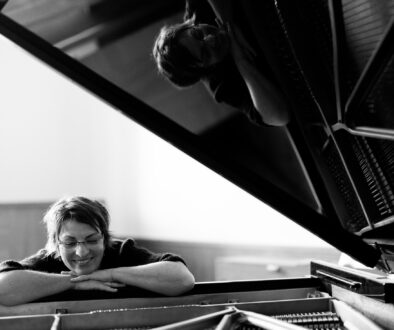
Nancy Gosset — The Architecture of Stillness
There are moments when a landscape ceases to be something we look at and becomes something we feel.
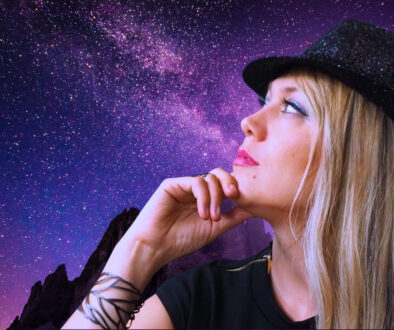
For Nancy Gosset, music begins somewhere in that elusive territory.
A particular light through the mist. The cool air rising from a waterfall. The sensation of walking slowly through a familiar landscape. The sound of waves returning to shore. In Gosset’s world, these fleeting impressions are not merely memories; they are musical material. They become atmosphere, gesture, silence — and eventually, piano.
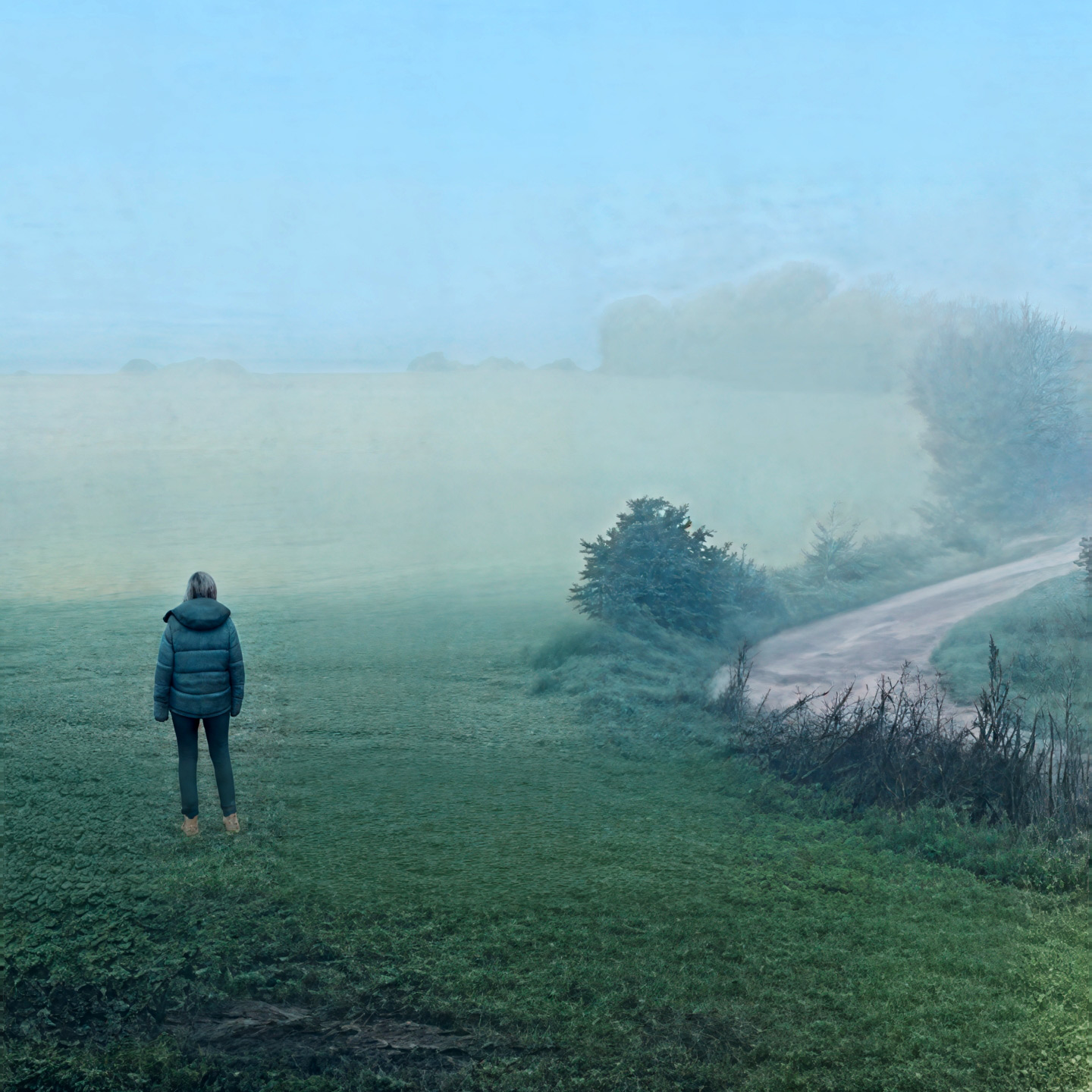
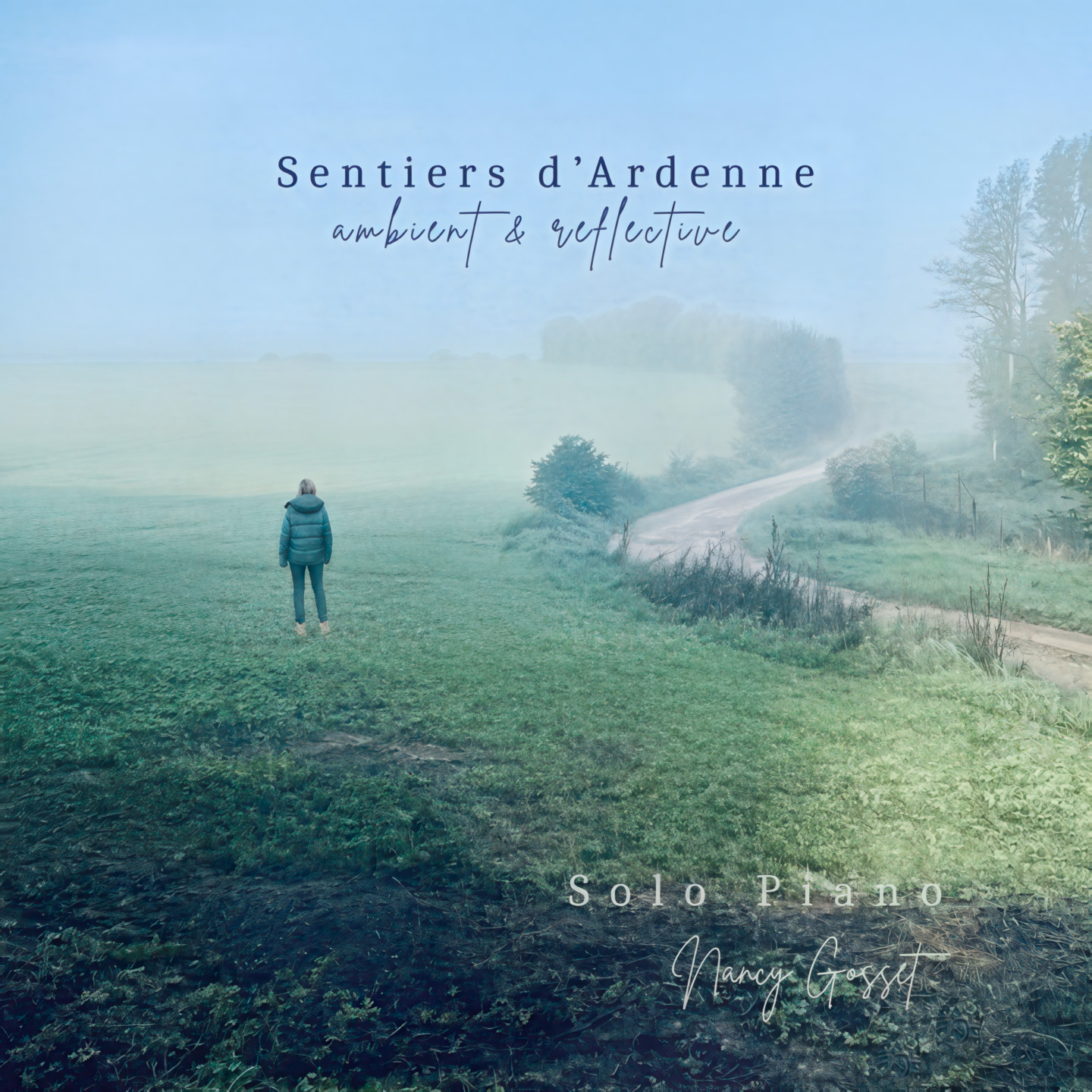
Her forthcoming EP, Sentiers d’Ardenne, takes its name from the paths that run through a landscape personally connected to her, yet the music refuses to remain geographically bound. Its four compositions move with the quiet confidence of something remembered rather than announced, transforming a precise place into something far more universal: the experience of pausing, reflecting, moving forward and, perhaps most importantly, learning to let go.
There is a rare quality to Gosset’s work: it invites rather than insists.
Her piano music can feel meditative without becoming weightless, intimate without becoming insular. Beneath its luminous surfaces, subtle dissonances and unconventional harmonies reveal an artist whose musical vocabulary has been shaped by a remarkably wide-ranging journey — from avant-garde composition and experimental practices to minimalism, prepared piano, environmental sound and neo-classicism. The result is music in which tension and resolution coexist almost as naturally as they do in life.
At its heart is Gosset’s fascination with stillness — not silence, and certainly not immobility, but that suspended state in which the world seems to breathe differently. Her music creates room for it. A note is allowed to linger. A phrase unfolds without hurry. Time becomes elastic.
“I want to remain an artist who honors the natural intimacy of the piano.”
And this autumn, Sentiers d’Ardenne will begin another journey: from the private space of the studio into the collective space of the concert hall.
Next April, Nancy Gosset will join the main selection of Piano Revenge Festival Paris 2027, bringing her particular language of landscape, memory and emotional stillness to the festival stage. In the middle of Paris — one of the world’s most restless cities — her music may offer an intriguing paradox: the possibility of making an entire room slow down.
We meet Nancy Gosset at a moment of transition: between the intimate world of Sentiers d’Ardenne and new explorations into environmental sound, field recordings, multimedia and immersive artistic experiences. What emerges from our conversation is a portrait of an artist still moving, still searching, but with a remarkably clear compass.
Emotion. Authenticity. Space. And the enduring, almost mysterious intimacy of the piano.
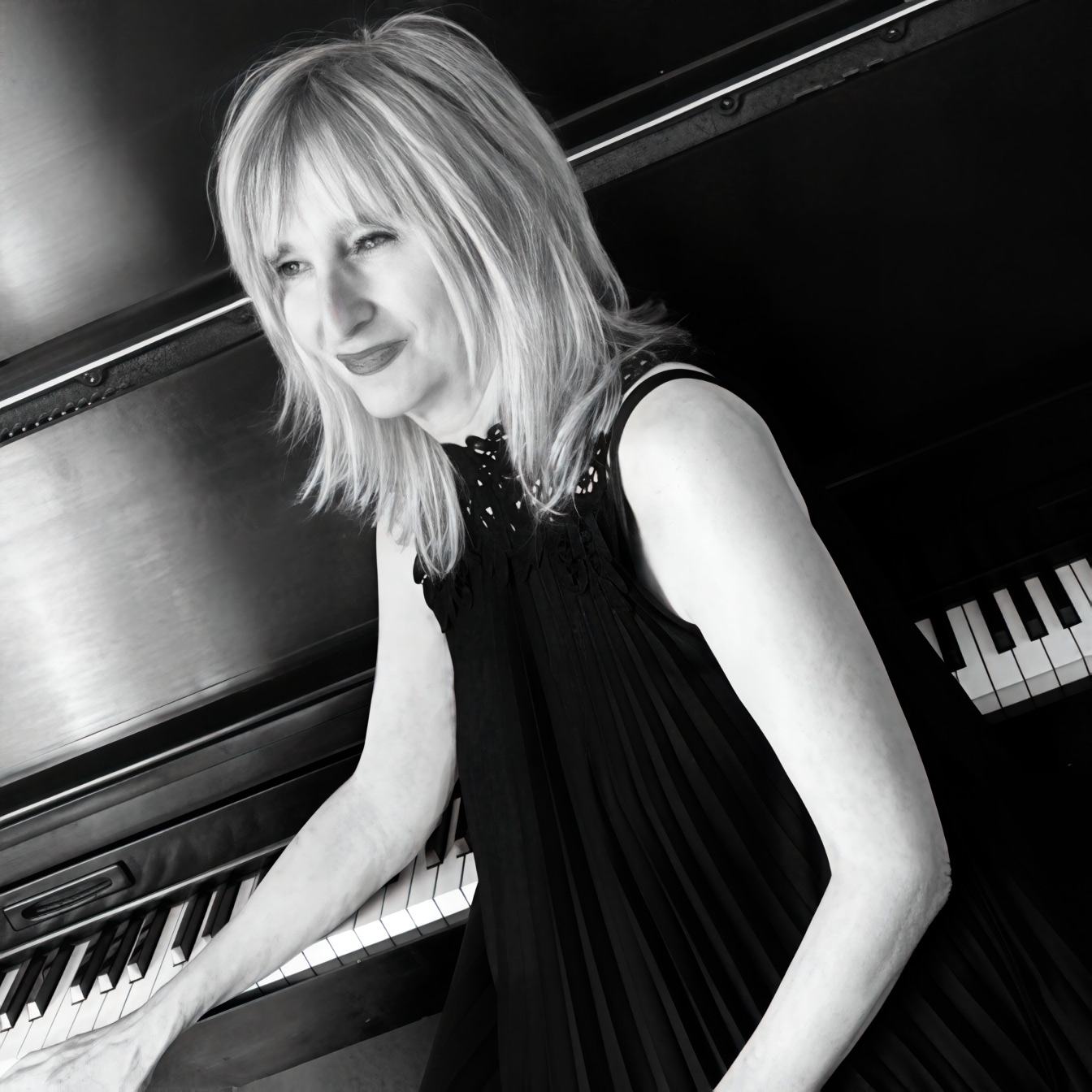
PianoRevenge MAG: Your music seems to inhabit a space between intimacy and landscape, where a piano piece can feel almost like a place, a memory or a state of mind. How would you describe the artistic world you are building through your piano music — and what do you hope a listener discovers when entering it?
Nancy Gosset: For me, a landscape can form a deeply personal connection that usually begins with the visual — the way a place looks and maybe how it catches the light. But it truly comes alive in how it feels to inhabit it: feeling soft thick grass under my feet, or feeling the cool draft floating off a waterfall.
We all respond to different environmental cues, but for a landscape to be evocative, I search for some sense of belonging and something I relate to that creates a kind of connection to home no matter how different it may appear. Because of that, I think landscape is ultimately an intimate state of mind — an inner emotion I want to share through sound and melody. My hope is that the music gives the listener a space to conjure up their own landscape and discover a place they personally connect with.
Your forthcoming EP Sentiers d’Ardenne has a very strong sense of place, while its themes — particularly in “Remembering Stillness” and “Graceful Passage” — feel much more universal. What does landscape mean to you as an artist, and how does a specific place become transformed into something emotionally global through music?
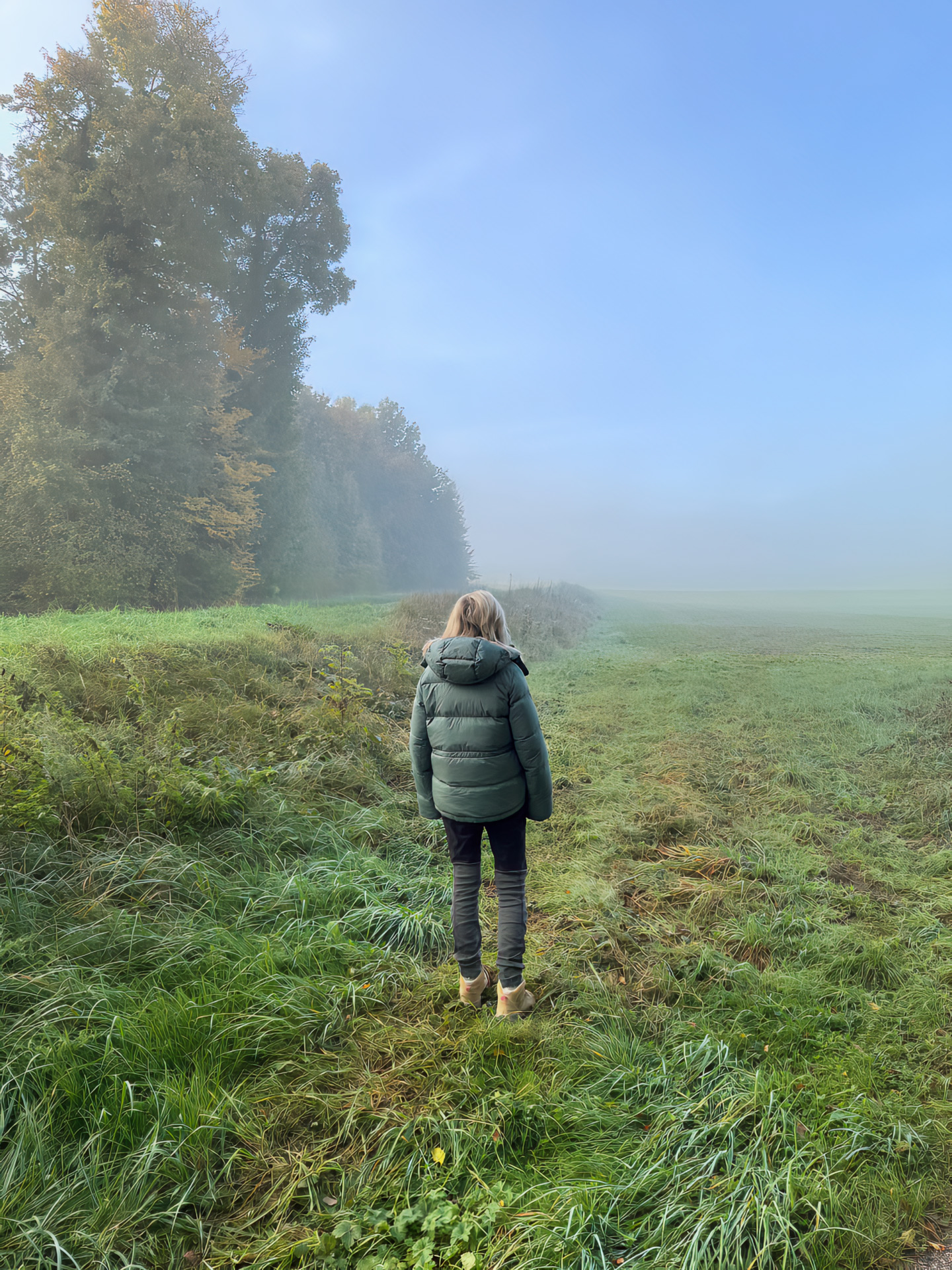
Yes, that is true — Sentiers d’Ardenne has a more specific, grounded reference than some of my other work. I was drawn to a precise moment in the Champagne-Ardenne region — where I have family connections — when the light and mist fused together quite magically. At that instant, I realized this area brought together paths I’ve traveled musically and personally, which is why the metaphor of multiple paths (sentiers) seemed to fit.
“A group of people can breathe together inside a few minutes of stillness.”
While this project is rooted in a specific spot in rural France, the feelings of walking, reflection, and quiet transition are things anyone can recognize in their own environment. The hyper-specific setting gives the music its unique roots, but the shared human experience of exploring life’s pathways is what opens the door for the listener.
“Remembering Stillness” is a particularly evocative title. In a world that rarely seems to stop, what does “stillness” mean to you — and can music actually create a space where we experience it rather than simply remember it?
To me, stillness isn’t necessarily the absence of sound or motion. I see it as a type of relaxed breathing – a state or mindset that I believe can be brought on by the right melody and pace of a piece of music. It’s what you feel when you stand at the edge of a quiet captivating forest listening to nature.
Those moments create images to remember for sure. So we can create a still space and remember it on many sensory levels. When a piano piece slows down and gives every single note room to breathe, it forces the listener to pause. For those few minutes, you aren’t just remembering stillness — you are inhabiting it!
“Graceful Passage” suggests movement, transition and perhaps letting go. Do you see your piano music as a form of storytelling, even when there is no literal narrative behind it? What kinds of human experiences are you most drawn to translating into sound?
That is a great observation. That piece in particular is very much about gently letting go which can be very hard to do. I try to capture an emotional trajectory — the shifts in perspective that happen like when we transition from one phase of life to another and find acceptance within.
I try to channel stressful moments like difficult decisions, new worries, or disappointment which can be quite literal and unwanted, into slowing down, drawing on more positive slower human experiences: quiet reflection and the moments of grace we find when we stop fighting the current of everyday life.
Walking through nature, canoeing through pristine lakes – I like to draw on these magical moments. So yes, I think I do see my compositions as story telling, with each listener having their own interpretation of it as it relates to their lives.
With only four pieces, Sentiers d’Ardenne seems deliberately intimate rather than expansive. How did you approach the EP as a complete artistic statement, and what connects its four pieces beneath the surface?
I wanted Sentiers d’Ardenne to feel like an unhurried walk through a familiar, connected landscape rather than a massive journey. Each of the four pieces acts like a different clearing along the way. Beneath the surface, they are tied together by a shared acoustic intimacy — the deliberate use of space, the subtle mechanical details of the piano, and a meditative musical pacing. Ultimately, the EP doesn’t take you far from home. It gently guides you right back to where you started and with a clearer, calmer mind.
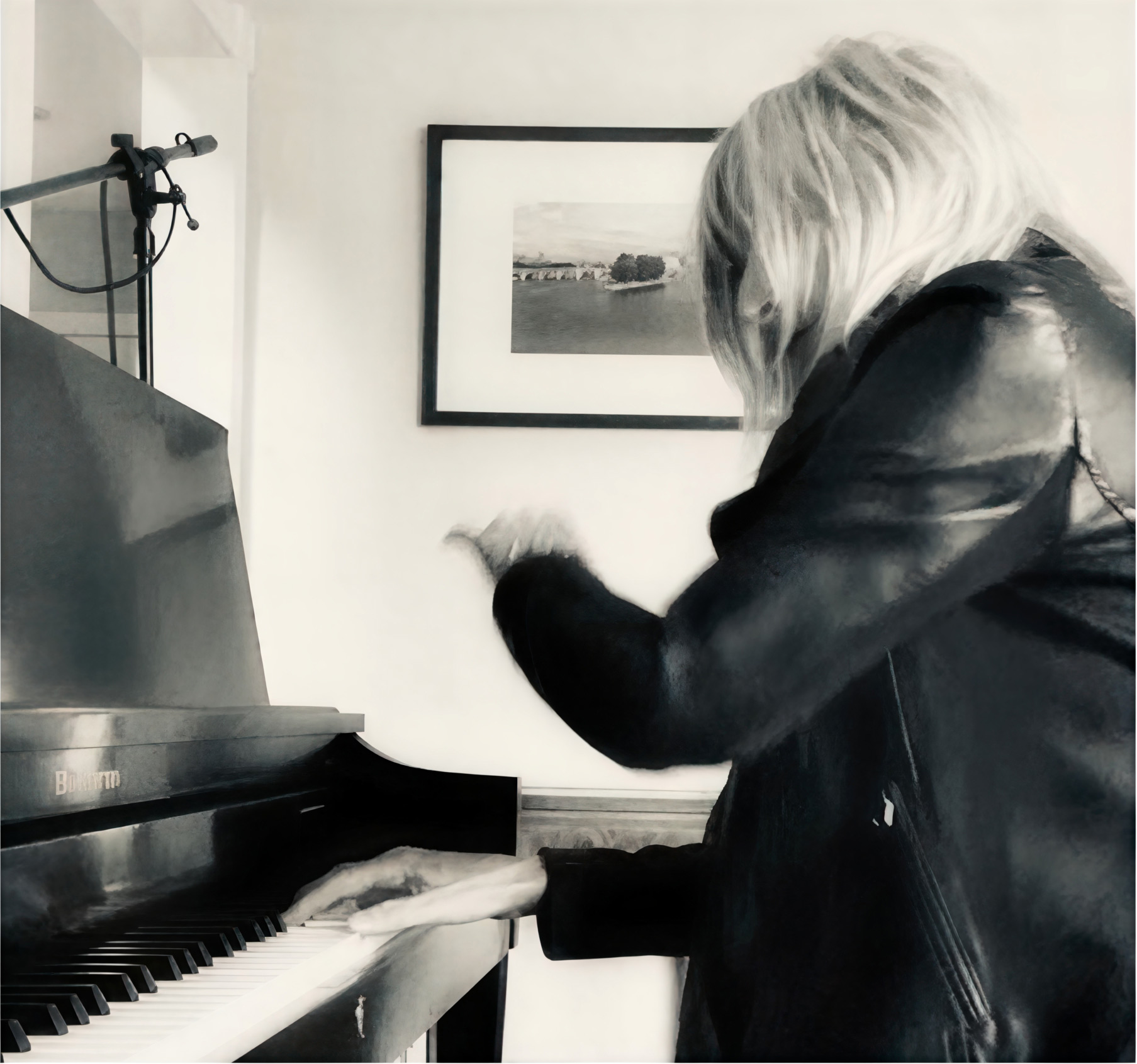
You are also preparing to bring this music into the world beyond the recording itself, including your participation in the Piano Revenge Festival in Paris next April. What changes for you when a piece leaves the studio and becomes a live experience — and what do you want to discover together with the audience in that moment?
In the studio, I often feel like I’m building a deeply personal world, usually in total isolation, focusing on the subtle textures of each chord and phrase. When you bring that music live to a stage like Piano Revenge in Paris, the nature of the sound can transform itself. It’s a different piano with its own tone colours for one thing. And it stops being a private dialogue and becomes a shared collective experience.
What I want to discover with the audience in that room is that same feeling of pause — realizing that even in the heart of a bustling famous city, a group of people can breathe together inside a few minutes of stillness. Musically I imagine each listener will lean into different chords or notes to resonate with. I am excited to find out.
Piano Revenge brings together artists working across different generations, countries and approaches to contemporary piano music. Where do you feel your own voice sits within this wider movement, and what do you think makes today’s piano music particularly exciting?
My musical path has never been a straight line — it’s been a winding road from avant-garde writing, moving all the way to minimalism, meditation, prepared piano, environmental soundscapes, neo-classical and emotional Romanticism. And, in between, many years teaching music, composition and some multimedia work with dancers and artists.
These were all transformative experiences – As was studying with the late James Tenney (a colleague of John Cage) and many other notable musical innovators. That varied background has led me to peaceful ambient creations while infusing subtle dissonance and unconventional harmonies, albeit delicately. I don’t see that as typical in purely meditative neo-classical music.
I think that willingness to lean slightly into tension is actually what gives my neo-classic work its distinct identity. It helps the music stand out and carve out its own space, while still fitting comfortably within the wider niche of meditative, ambient neo-classical.
I like the way music can balance tension and resolution much like life itself. I always want my music to clear space and land in an uplifting way. What makes today’s contemporary piano movement so exciting is that artists aren’t locked into a single box anymore.
There’s this wonderful freedom to blur the lines between acoustic intimacy, ambient textures, and experimental edges, and I feel right at home in that space.
When you sit at the piano to begin creating or interpreting a new piece, what are you listening for before the music itself takes shape — a colour, a silence, a gesture, a memory, a physical sensation? Can you describe your creative process from that first impulse to the finished work?
With my neo classical work the first impulse is sometimes derived from the visual or a sound I hear in the environment.
For example with Harmonic Tide, a track from my last EP “Floating Houses”, this began as I was walking by the ocean and recorded the moment of loving the waves. So I started with that short visual (video) and used a felt piano sound, increasing the harmonics to reflect how I heard the oceans pull. A bit like word painting used by some composers throughout history.
Then I write out the chord progressions, put them in front of me and the improv begins. That one came to me very quickly. Maybe 2 takes. Then I kept the third as my final piece. I edit a little and EQ a bit, but often it’s a quick process once the ideas flow.
Other times I just ask myself what mood I want to evoke and take it from there. Sometimes there is more complex mastering. The key ingredient for me is deep emotion. If I feel that, I know the piece has landed.
Beyond Sentiers d’Ardenne, what is currently occupying your artistic imagination? Are there new compositions, recordings, collaborations or other projects on the horizon that might reveal another side of your musical identity?
Beyond Sentiers d’Ardenne, my creative imagination is leaning into collaboration, environmental ambient and multimedia work. Writing music is usually a solitary experience, so I have been recently connecting with new artists — including a creative project with a talented east-coast Canadian musician and exploring ideas with the inspiring group of amazing artists within the Soothe Sounds community.
I’m also diving deeper into field recordings and modern soundscapes, influenced by Brian Eno’s Music for Airports, and officially launching an ambient environmental music project later this year or early 2027. With a background in both visual arts and music, I want to blend those worlds further, proposing an Artist in Residence project in Toronto for the new year to explore fully immersive audio-visual experiences.
To bring those environmental landscapes to life, I’m also looking to incorporate more visuals—whether through working with indie filmmakers or producing more videos myself.
Looking further ahead, what kind of pianist and artist do you want to become? If you imagine your music several years from now, what would you like to have preserved from who you are today — and what would you hope has completely changed?
Looking ahead, my goal is to keep the core of what drives me intact: an emotional and heart felt approach to creation. No matter how many chapters or new roads are ahead, I don’t see my musical identity fundamentally changing, because my musical toolbox already holds so many contrasts.
In fact, I recently came across an old university score rooted in atonal relationships, and that exploratory side is still very much alive in my playing — something I’m looking forward to potentially bringing and surprising listeners with on stage at the Paris festival this April in combination with my meditative neo classic melodies.
At the same time, I’m always searching for new textures and musical spaces. My next direction is moving deeper into field recordings and building entirely new sound architectures for the upcoming ambient project.
While technology and AI present valid anxieties for music creators, I believe the deeply human spirit embedded in acoustic and emotional piano music will ultimately transcend that. I want to remain an artist who honors the natural intimacy of the piano while continuing to freely self-express with authenticity and meaning.
Editor’s Final Note
There is an especially fitting moment to encounter Nancy Gosset’s world: just as Sentiers d’Ardenne prepares to leave the studio and find its listeners.
The new EP is released Friday, September 4, marking the beginning of another chapter for a body of work deeply rooted in landscape, memory and the quiet spaces between one moment and the next. With four intimate compositions that invite rather than demand attention, Sentiers d’Ardenne feels less like an arrival than an open path — one the listener is invited to walk at their own pace.
For those wishing to enter Nancy Gosset’s musical landscape, Sentiers d’Ardenne will be available from September 4:
And for Piano Revenge MAG, this release carries an additional significance: it offers a first glimpse into the artistic world that Nancy Gosset will bring to the stage next April, as part of the Piano Revenge Festival Paris 2027 Main Selection.
A new EP, a new path — and, soon, a piano waiting in Paris.