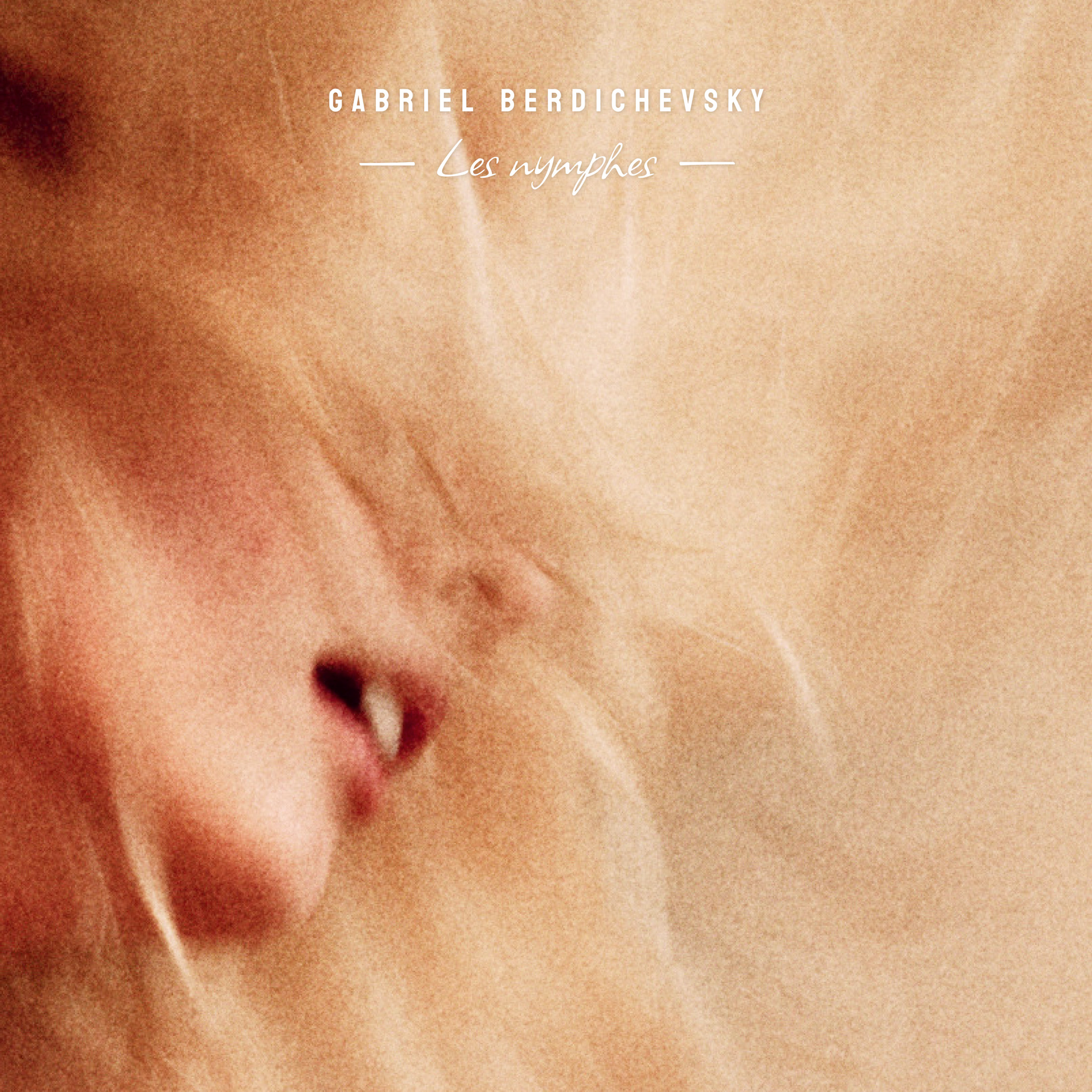
Gabriel Berdichevsky: Les Nymphes – The Poetry of a Piano in Motion
A piano can fill a room without saying very much. It can also whisper something that remains in the mind for hours.
For Gabriel Berdichevsky, the instrument seems to occupy that second space. His music does not simply unfold through notes and phrases; it carries an unmistakable sense of reflection, movement and inner dialogue.
When Gabriel joined us in Paris this June, there was something immediately distinctive about his musical presence. Nothing felt overstated. His approach to the piano carried an unusual intimacy—a sense that every phrase had been given permission to breathe before reaching the listener.
That same quality lives inside Les Nymphes.
Gabriel Berdichevsky’s new album is a world of water, memory and romantic light—where the piano whispers, the orchestra breathes, and classical tradition finds a contemporary soul.
Gabriel’s new album is delicate without being fragile, romantic without becoming nostalgic, and cinematic without ever losing its intimacy. It moves through landscapes of water, woods, memory and imagination, creating a space where the listener is not simply observing the music, but quietly inhabiting it.
For Piano Revenge MAG, this album arrives at a particularly beautiful moment. Having welcomed Gabriel to our Paris stage this June, we are now looking forward to seeing him return to our artistic family in Vienna this October.
Perhaps this is why Les Nymphes feels less like a new encounter and more like the continuation of a conversation.
A conversation between piano and orchestra.
Between past and present.
Between what we remember and what we imagine.
We invite you to enter.
Editor’s prelude
There are albums that seek to tell a story, and others that invite us to step quietly inside a world. Les Nymphes, the new album by pianist and composer Gabriel Berdichevsky, belongs to the latter.
Inspired by nature, water, woods, and the poetic intimacy of a walk through an imagined landscape, the album unfolds as a romantic collection of piano and orchestral pieces—music that seems to exist somewhere between memory and movement.
At its heart is a desire to dissolve the boundaries between classical and neoclassical music, not by choosing one language over the other, but by allowing them to meet naturally.
The journey begins with Les Amants — The Lovers — a first glimpse into this world of lyrical gestures, orchestral colours, and piano-led emotion.
It is music that does not rush to explain itself.
Instead, it leaves space.
For atmosphere.
For imagination.
For feeling.
For Piano Revenge MAG, Les Nymphes opens an intriguing question:
What happens when the romantic tradition is carried into a contemporary musical landscape, where the piano can still speak with the intimacy of a whisper, while the orchestra expands that voice into something larger?
As we listen more deeply, the answer begins to reveal itself. This is not music interested in drawing a rigid line between classical and neoclassical.
It is music interested in making that line disappear. And perhaps this is the album’s most beautiful ambition:
to make the distance between classical and neoclassical music feel smaller, and the emotional world between them much close.
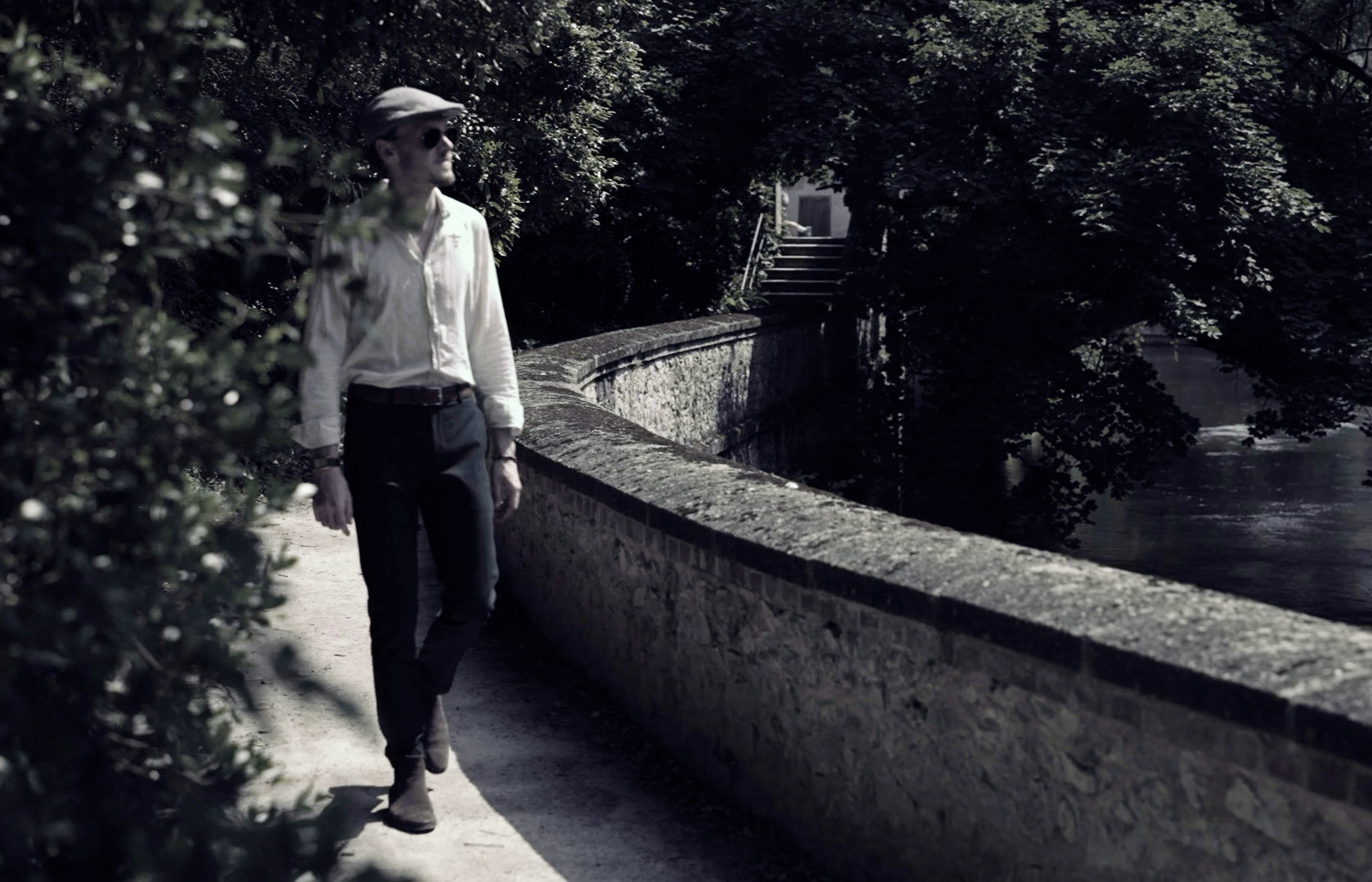
The art of whispering
There are albums that seek to tell a story. And then there are albums that create a world.
Les Nymphes belongs unmistakably to the second category.
It does not arrive with a declaration.
It arrives like water.
Quietly. Gradually. Almost imperceptibly.
And before we realise it, we are somewhere else.
Gabriel Berdichevsky writes from a place of remarkable tenderness. His music seems to understand that an emotional landscape does not need to be described in detail in order to become visible.
Sometimes, a few notes are enough. Sometimes, the space between them says more. The album’s romantic character is immediately apparent, but it is not romanticism as nostalgia. There is no attempt to recreate another era.
Instead, Gabriel takes something deeply rooted in the romantic tradition—its love of melody, atmosphere, nature and emotional expression—and allows it to breathe within a contemporary musical language.
The result is intimate, cinematic and quietly luminous.
“The music does not ask us to hurry. It asks us to listen.”
Entering the landscape
The journey begins with Les Amants — The Lovers — offering the first glimpse into Gabriel’s musical universe.
The title itself feels almost cinematic, but the music remains intimate.
There is a sense of two voices meeting: the piano and the orchestra, the individual and the surrounding world, the human gesture and the larger landscape.
Gabriel’s piano does not seem interested in virtuosity for its own sake.
Instead, it becomes a narrator.
Sometimes speaking clearly.
Sometimes hesitating.
Sometimes allowing a phrase to remain suspended in the air.
This is music that trusts the listener. It does not explain every emotion. It leaves doors open. And through those doors, imagination enters.
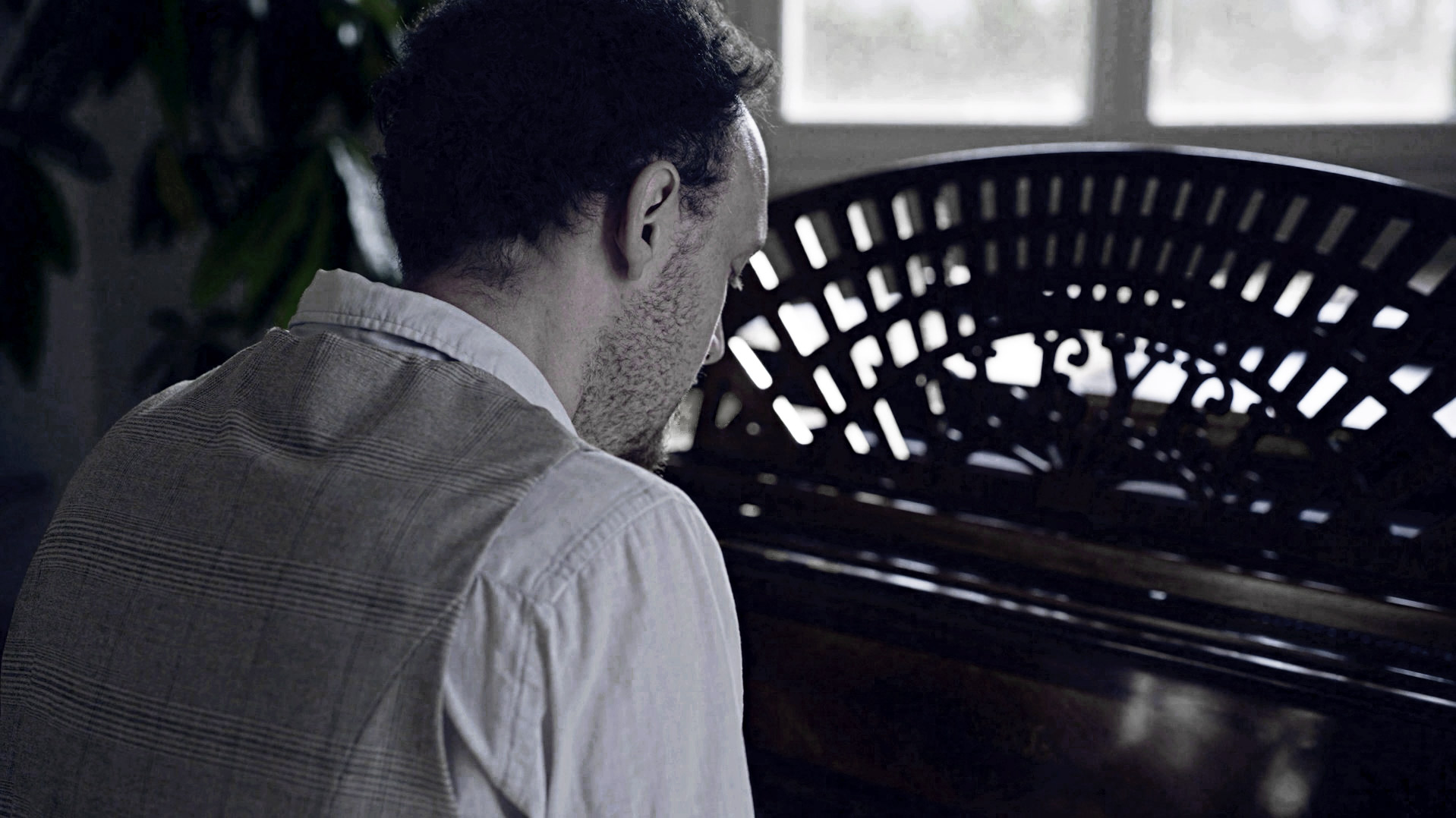
Between Two Worlds
One of the most fascinating qualities of Les Nymphes is its relationship with tradition. Classical and neoclassical music are often discussed as separate worlds. Gabriel seems to have little interest in keeping them apart.
The romantic tradition can be heard in the melodic warmth, the emotional generosity, and the fascination with atmosphere. Yet alongside these qualities is a distinctly contemporary sensibility: transparency, restraint, space and an awareness of silence.
The two languages do not compete. They breathe together. This gives the album a sense of continuity rather than opposition.
Gabriel does not ask whether music should belong to the past or the present. He asks something more fundamental:
Does it still have the power to move us?
The Piano As a Memory
At the centre of Les Nymphes is the piano. But here the piano is more than an instrument. It feels like a memory. A human voice. A hand reaching backwards through time.
There are moments when its sound seems almost physical—close enough to touch. Against the orchestra, this intimacy becomes even more striking. The orchestra expands the horizon. The piano brings us back home. And somewhere between the two, the listener finds a place to remain.
“The orchestra opens the landscape. The piano gives it a heartbeat.”
This may be one of the most beautiful tensions within the album: the movement between intimacy and scale.
A solitary piano can suggest an entire inner world. An orchestra can make that inner world suddenly feel infinite.
The Romantic Imagination
There is something wonderfully sincere about believing in beauty. Not beauty as decoration, but beauty as an emotional experience.
Les Nymphes carries that belief. Nature here is not simply scenery. It becomes language.
Water suggests movement.
The woods suggest mystery.
Light becomes memory.
And the imagined nymphs of the title seem to exist somewhere between mythology and dream. They are fleeting presences. Figures glimpsed between trees. Reflections moving across water.
Memories that disappear just as we reach for them. This is where the album becomes particularly poetic. It does not tell us exactly what to see. It gives us enough light to imagine it ourselves.
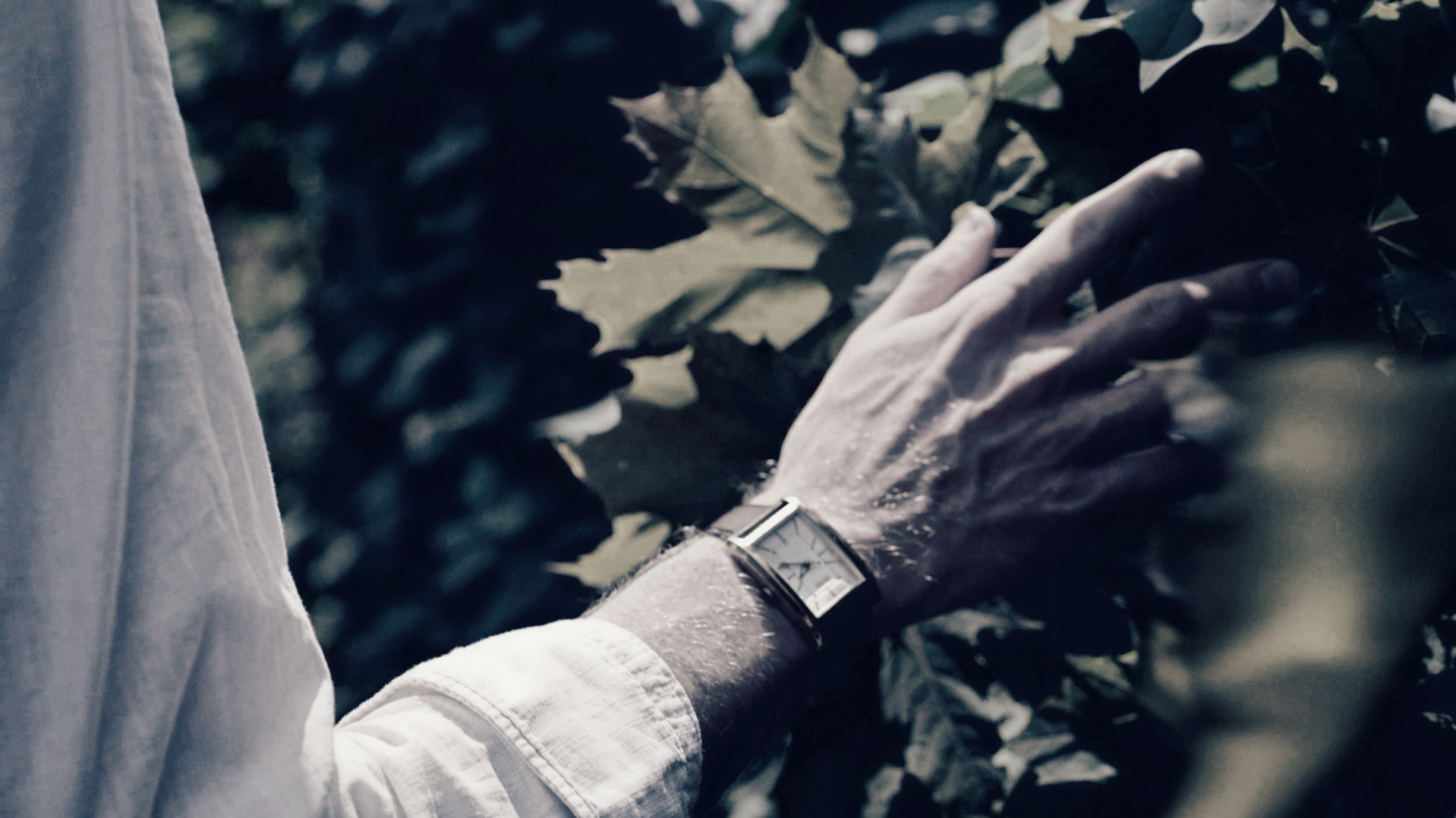
A Music of Light
If Les Nymphes had a visual palette, it would not be loud.
It would be translucent.
Morning light through leaves.
The silver surface of water.
A forest at dusk.
The last warmth of afternoon.
There is an elegance in this restraint. Gabriel understands that emotional intensity does not necessarily require excess. Sometimes the smallest gesture carries the greatest weight.
A single piano phrase can say enough.
A pause can become part of the melody.
A return can feel like recognition.
And this is where the album’s tenderness becomes most apparent.
From Paris to Vienna
For Piano Revenge MAG, Les Nymphes carries a particularly personal resonance. Gabriel Berdichevsky is not simply an artist we encounter through a recording. He is already part of our story.
We had the pleasure of welcoming Gabriel to our Paris stage this June, where his music became part of the living exchange that lies at the heart of the Piano Revenge artistic community. And the conversation continues.
This October, Gabriel will join us again in Vienna, bringing this musical world into another Piano Revenge setting. There is something fitting about this continuity.
An album is released. A performance follows. A listener becomes an audience member. A first encounter becomes a return. And music keeps moving.
The Beauty of Not Explaining
Perhaps the greatest strength of Les Nymphes is that Gabriel never appears to be telling us exactly what we should feel.
He creates the atmosphere. We bring the memories. This is where music becomes truly personal.
The composer leaves a space. The listener enters it. And Les Nymphes leaves that space generously open.
It gives us landscapes without maps. Emotions without instructions. Stories without fixed endings.
The album can be experienced as a romantic journey, a neoclassical meditation, a collection of cinematic impressions—or simply as a quiet place to spend time.
Perhaps all of these readings are correct. Perhaps none of them are necessary.
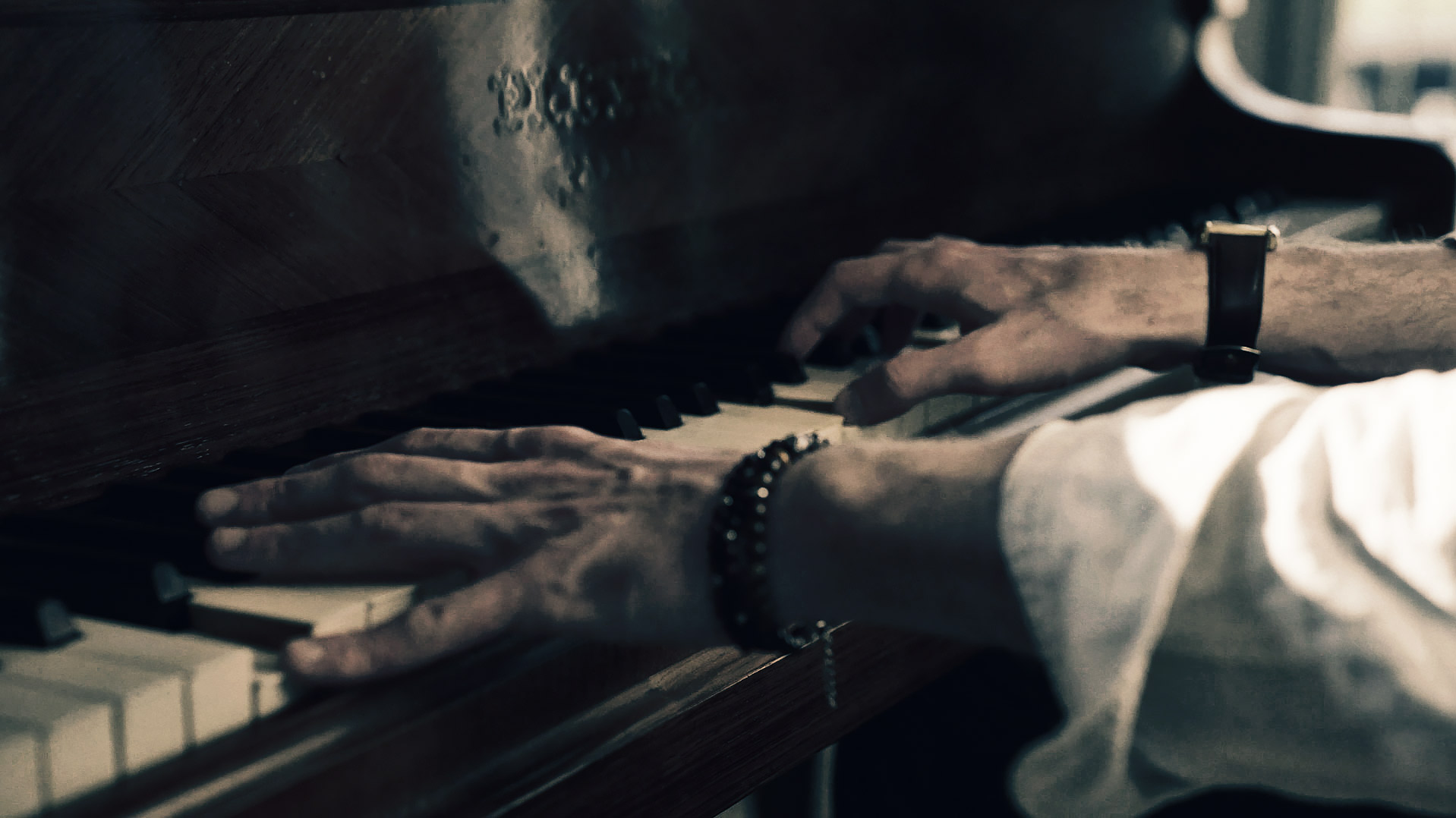
A Quiet Invitation
By the end of Les Nymphes, what remains is less a single image than a sensation.
The feeling of having walked somewhere beautiful. Somewhere distant, yet strangely familiar. Somewhere between dream and memory.
Gabriel Berdichevsky has created an album that does not demand our attention.
It invites it.
And in a world increasingly filled with music competing to be louder, faster and more immediate, there is something quietly radical about an album that chooses tenderness instead.
Les Nymphes reminds us that the piano can still whisper. That an orchestra can still breathe. That romanticism does not have to belong to another century. And that contemporary music can still leave room for wonder.
“Sometimes the most powerful musical gesture is simply to whisper.”
Perhaps this is the true invitation of Les Nymphes:
To stop.
To listen.
To remember.
And, for a little while, to enter the landscape.
Gabriel Berdichevsky : Les Nymphes