Henry Miller: The Writer at the Piano
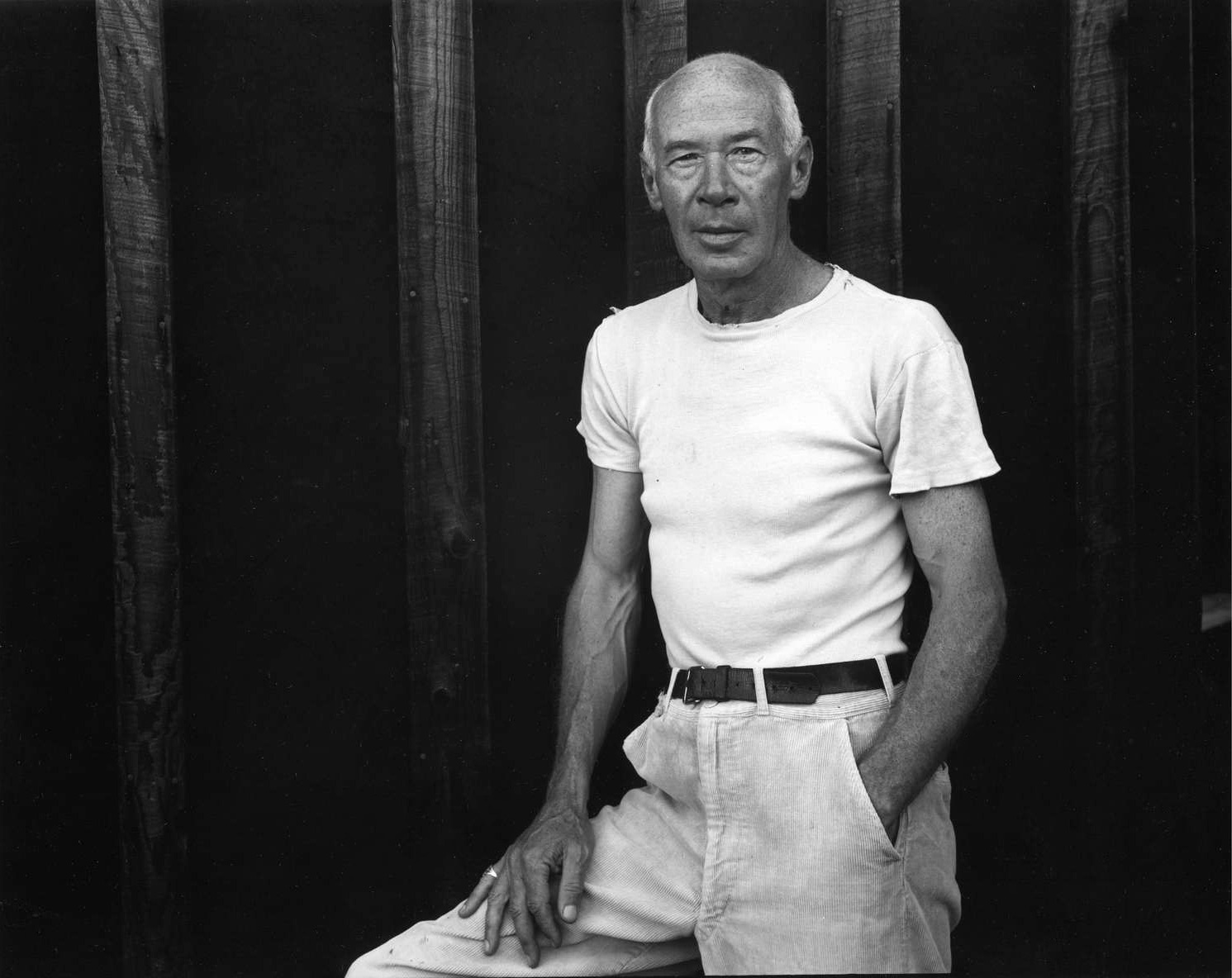
Henry Miller is one of those writers whose reputation can obscure the person behind it. The mythology is almost too complete: Paris, censorship, eroticism, poverty, bohemia, Tropic of Cancer, the restless American expatriate. It leaves little room for quieter details.
One of them is a piano.
On literature, improvisation and the private life of music
Miller played. He studied the instrument as a young man, returned to it throughout his life and remained genuinely fascinated by music. He was never a professional pianist, and there is no reason to turn him into one retrospectively. What matters is something more subtle: for a writer who made spontaneity, instinct and personal freedom central to his artistic life, the piano offered another language in which those ideas could be tested.
The connection is more revealing than it first appears.
Miller did not believe that creativity belonged to a single medium. He painted, wrote, corresponded, travelled, observed and surrounded himself with artists. His life resisted specialisation long before the contemporary art world made interdisciplinarity fashionable.
The piano was part of that resistance.
Learning the instrument
Miller’s relationship with the piano began early. In 1914, as a young man, he took piano lessons with Beatrice Sylvas Wickens. He would never become a professional pianist, nor did he pursue the instrument according to the conventions of classical performance. His relationship with it was more personal, more instinctive.
That distinction matters.
Miller was fascinated by artistic activity itself—the sensation of making something, rather than the prestige attached to the finished object. His watercolours, his notebooks, his letters and his books all belong to this same impulse.
The piano offered another medium through which that impulse could exist.
There is an intimacy to playing an instrument alone that publishing a book cannot provide. A book leaves the room and acquires a public life. A piano can remain entirely private. A piece can be played once, imperfectly, and never repeated.
For a writer so concerned with authenticity, this must have had its appeal.
The rhythm of a writer
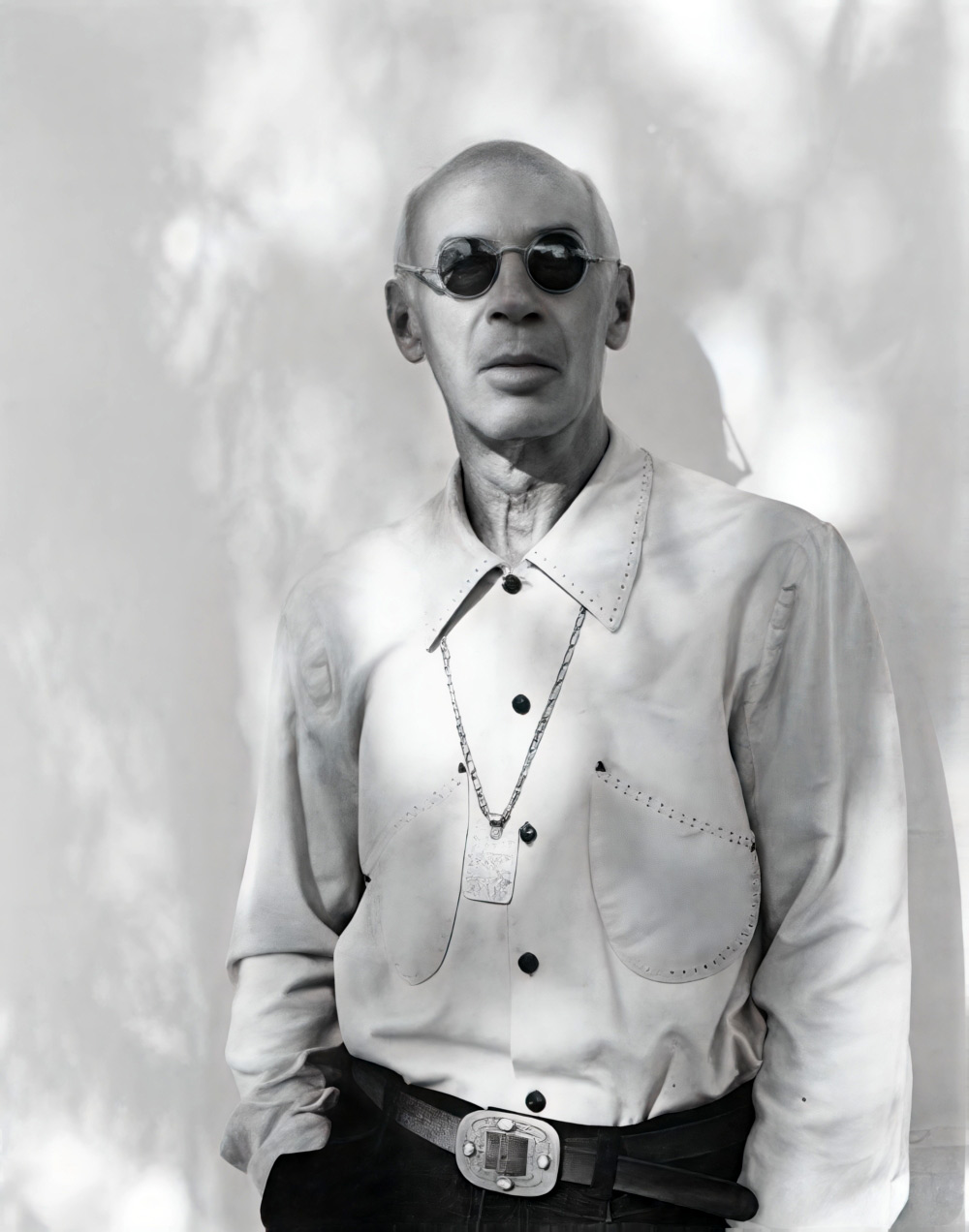
Miller’s prose has always had a distinctly musical quality.
His sentences do not proceed with the orderly confidence of conventional literary composition. They wander, accelerate, pause, contradict themselves and return to earlier thoughts. His writing has the sensation of an improvisation: an idea is introduced, another interrupts it, a memory appears, an observation changes the direction of the whole passage.
This is one reason the piano is more than an anecdotal footnote to his biography. Miller understood rhythm instinctively.
He understood that an artistic voice is not merely a matter of what is being said, but of how it moves. His prose could be vulgar, philosophical, comic, sensual and melancholy within the space of a few pages. Like improvisation, it relied on instinct and momentum.
“I have no routine,” Miller famously said of his writing life.
The statement could almost serve as a description of his musical temperament as well.
He resisted the idea that creativity could be reduced to a timetable or a system. Inspiration, for him, was something to be pursued rather than scheduled.
Beyond the literary world
Miller’s artistic universe was unusually porous.
He painted thousands of watercolours and developed close relationships with artists and writers across Europe and America. His circle included some of the most unconventional cultural figures of his generation. His correspondence and friendships reveal an individual who was constantly moving between literature, philosophy, painting and music.
This was particularly evident during his years in California and at Big Sur, where he became associated with a loose community of artists and intellectuals.
There was no need to decide where one discipline ended and another began. That sensibility feels surprisingly contemporary.
Today, the boundaries between composer, performer, visual artist and writer are increasingly fluid. Interdisciplinary practice has become an accepted part of cultural life. Miller belonged to an earlier generation in which such an approach was less institutionalised and therefore perhaps more instinctive.
He simply followed his interests.
The piano without an audience
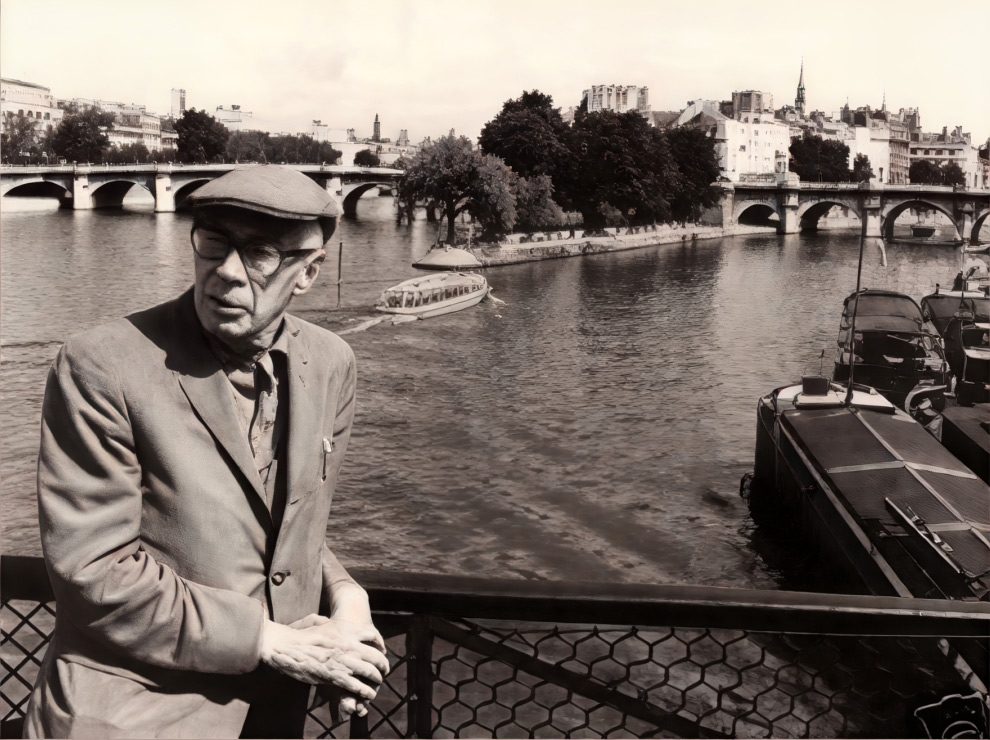
The most interesting aspect of Miller’s piano playing may be precisely that it was not a career.
There was no concert persona to construct. No repertoire to defend. No expectation of technical perfection.
The piano could exist as an instrument of curiosity.
This places Miller in a long tradition of writers who have been drawn to the keyboard: not necessarily because they wished to become musicians, but because the piano offered a different relationship with time, structure and expression.
For a writer, every sentence has consequences. It can be revised, published, quoted and interpreted.
A note disappears.
There is something liberating about that.
Miller’s literary career was marked by controversy and public attention. His books were censored, debated and scrutinised. His personal life became inseparable from his literary reputation. The piano offered a much less public form of creativity — one in which the act mattered more than the record of the act.
Perhaps this is why the image of Miller playing remains more interesting than the question of how accomplished he actually was.
Art as a way of living
Miller’s larger artistic philosophy was built around resistance to routine, conformity and the increasingly mechanised nature of modern life. He distrusted a culture obsessed with productivity.
For him, art had value because it restored something human: attention, sensuality, uncertainty, pleasure, failure, spontaneity.
The piano embodies all of these things.
It is an instrument of discipline, but also of accident. It demands technique while inviting experimentation. It belongs to the concert hall, yet it can be played in a private room with nobody listening.
Miller’s attraction to it therefore makes perfect sense.
He did not need the piano to make him a musician. He needed it to remain an artist.
Between the page and the keyboard
There is a temptation to turn every famous writer’s hidden passion into a forgotten chapter of genius. Miller’s story does not require that treatment.
He was not an overlooked concert pianist.
He was something more interesting for our purposes: a writer who understood that creativity could not be confined to writing.
The piano formed part of his private vocabulary of freedom. It gave him another way to work with rhythm, gesture and intuition. It belonged to the same world as his paintings, his notebooks, his conversations and his restless search for experience.
In Miller’s universe, the artist was not a specialist. The artist was a person paying attention.
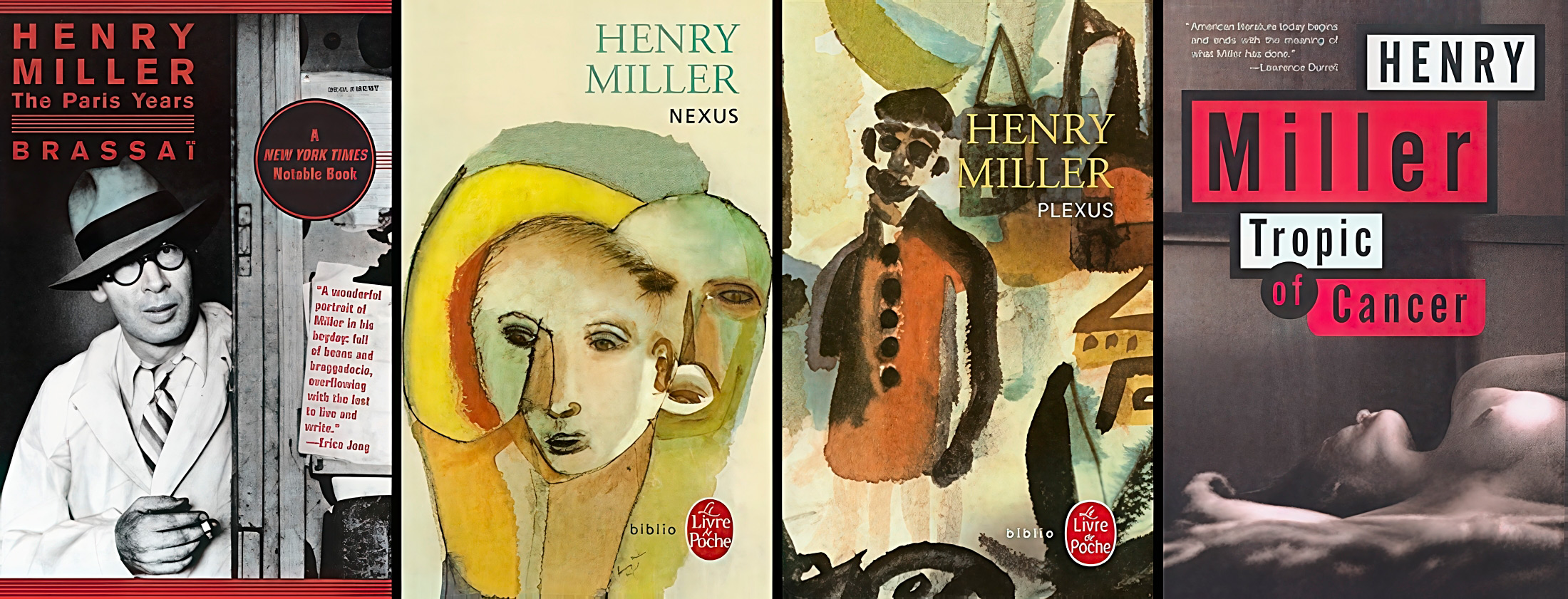
Henry Miller wrote in Tropic of Cancer about the domestic comfort of the instrument:
“It’s beautiful to have a smoking jacket, a good cigar and a wife who plays the piano. So relaxing. So lenitive [soothing].”
And perhaps that is the most contemporary thing about Henry Miller’s relationship with the piano. Long before interdisciplinary art became a familiar phrase, he treated creative life as one continuous territory.
Literature was one language.
Painting was another.
The piano was another still.
He had no particular reason to choose between them.