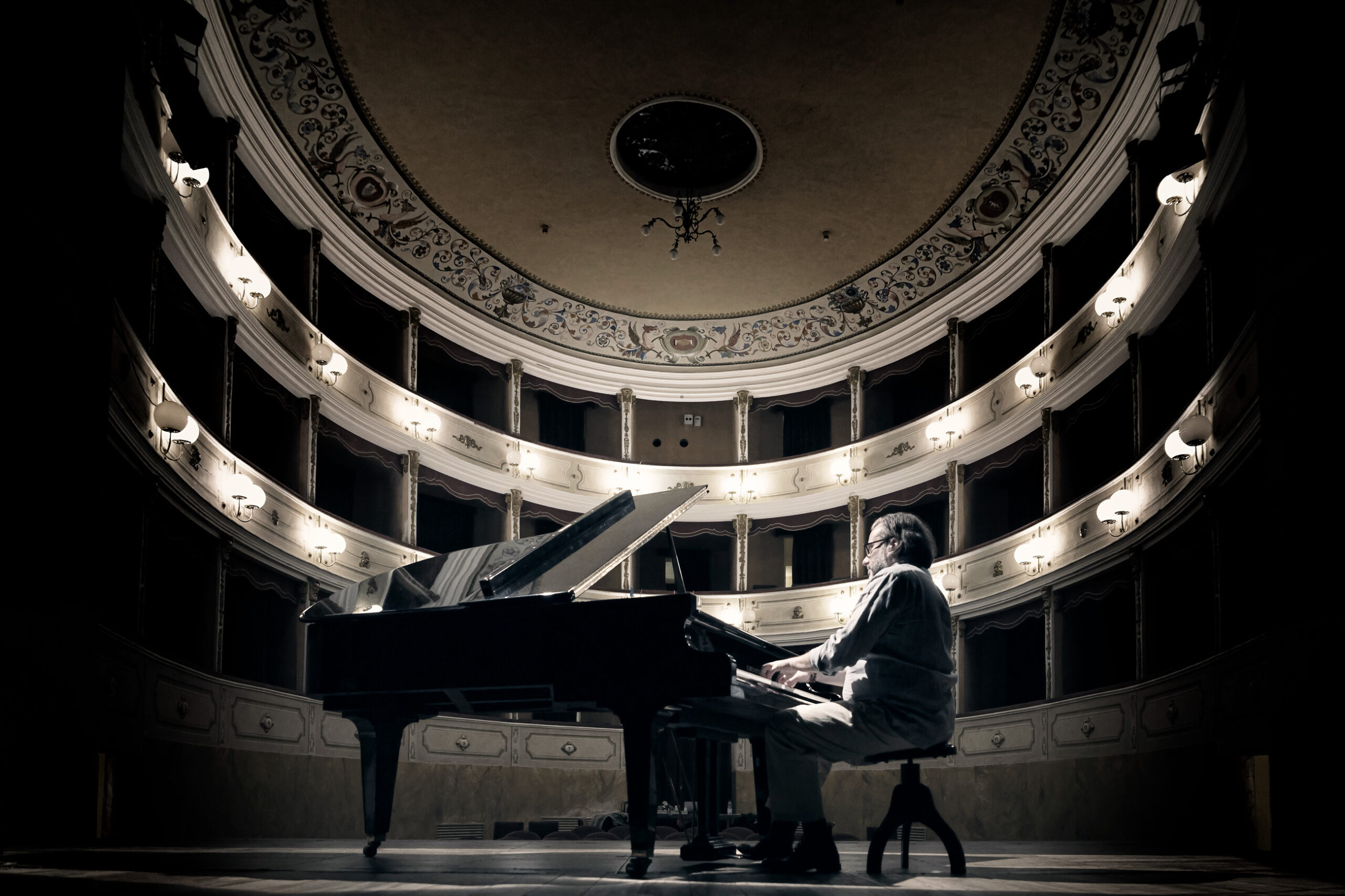
Thomas Lambrich Brings “The Sound of Arrival” to Paris for Piano Revenge Festival 2027
An intimate, slow-breathing piano practice that invites listeners back into presence – one quiet chord at a time.
PARIS – April 2027 – Thomas Lambrich will perform as part of the main program at Piano Revenge neoclassical music festival 2027 in Paris next April; details will be announced.
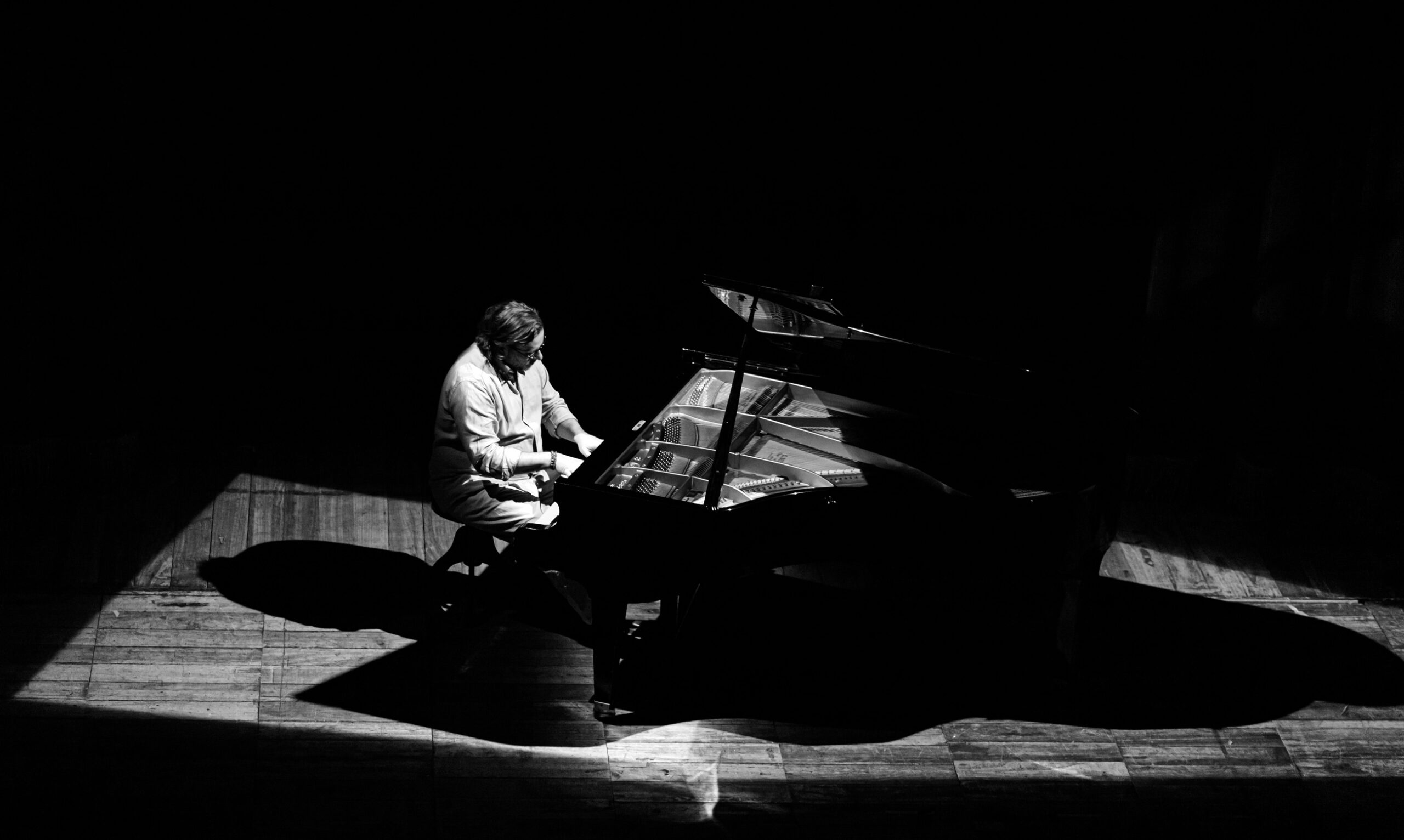
In an era calibrated for velocity – where attention is measured in volume and visibility – Lambrich’s work moves in the opposite direction: toward stillness, depth, and the rare sensation of truly arriving. His performances are not built for applause as much as for the pause: the shared exhale, the moment a room stops reaching for the next thing and simply listens. Lambrich has become known for a pianism that feels less like display than disclosure. When his hands settle on the keys, time appears to soften; silence is not an absence but a presence – held, shaped, and honored. Each note reads as a small act of return, as if the music is restoring a listener’s internal compass rather than pushing them forward. Often described as “the pianist of happiness,” Lambrich treats happiness not as a finish line, but as a fragile alignment: a frequency the body recognizes before the mind explains it. The effect is intimate and uncrowded – music that seems to listen back, making space for what many people carry quietly and rarely name.
“I don’t play for the feeling of achieving something. I play for the feeling of being present,” said Thomas Lambrich.
“Depth isn’t a place – it’s attention. When we stop long enough, we realize something simple: we are already here. There is nowhere else to be.”
Lambrich’s approach begins where modern life tends to end: in quiet. His music dwells in the threshold before a decision, the silence that precedes a shift – not emptiness, but a charged space in which something can finally change. Listeners often describe leaving his performances with a softened sense of time and a permission to be unfinished: to be slower, gentler, and more themselves.
His playing favors clarity over spectacle and intimacy over volume. Rather than treating the piano as a machine for projection, Lambrich treats it as a partner in attention – listening for what is already present in the room: memory, breath, the unspoken. The result is emotionally resonant and image-rich, built from restraint and luminous detail.
PRM: “You say everything is available today – except the feeling of truly arriving. When did you first notice that you were chasing something that could never be caught?”
It crept in slowly. A quiet dissonance beneath the surface of a life that looked, from the outside, perfectly in tune. I had the markers of success, the milestones, the momentum. And yet, in the stillest hours, something remained unresolved. A distance between who I was and who I was becoming. At some point, I realized: I could keep moving forever – and never get anywhere that mattered.
PRM: “You turned away from what the world calls happiness. Was that a deliberate departure, or something that simply became unavoidable?”
It was a surrender, really. A surrender to what I could no longer ignore. I didn’t choose depth as a strategy – I chose it because the alternative had become unbearable. It wasn’t about rejecting the world. It was about finally being honest with myself about what the world couldn’t give me.
PRM: “You speak of “depth” as though it were a place. Where is it, and how do you find your way there?”
Depth is not a place – it is a quality of attention. It is the difference between glancing and gazing. Between consuming and receiving. Between rushing through a room and truly entering it. Depth happens when nothing else is pulling at you. When a single moment is enough. It is rare, yes. But it is always available. It waits for us to stop.
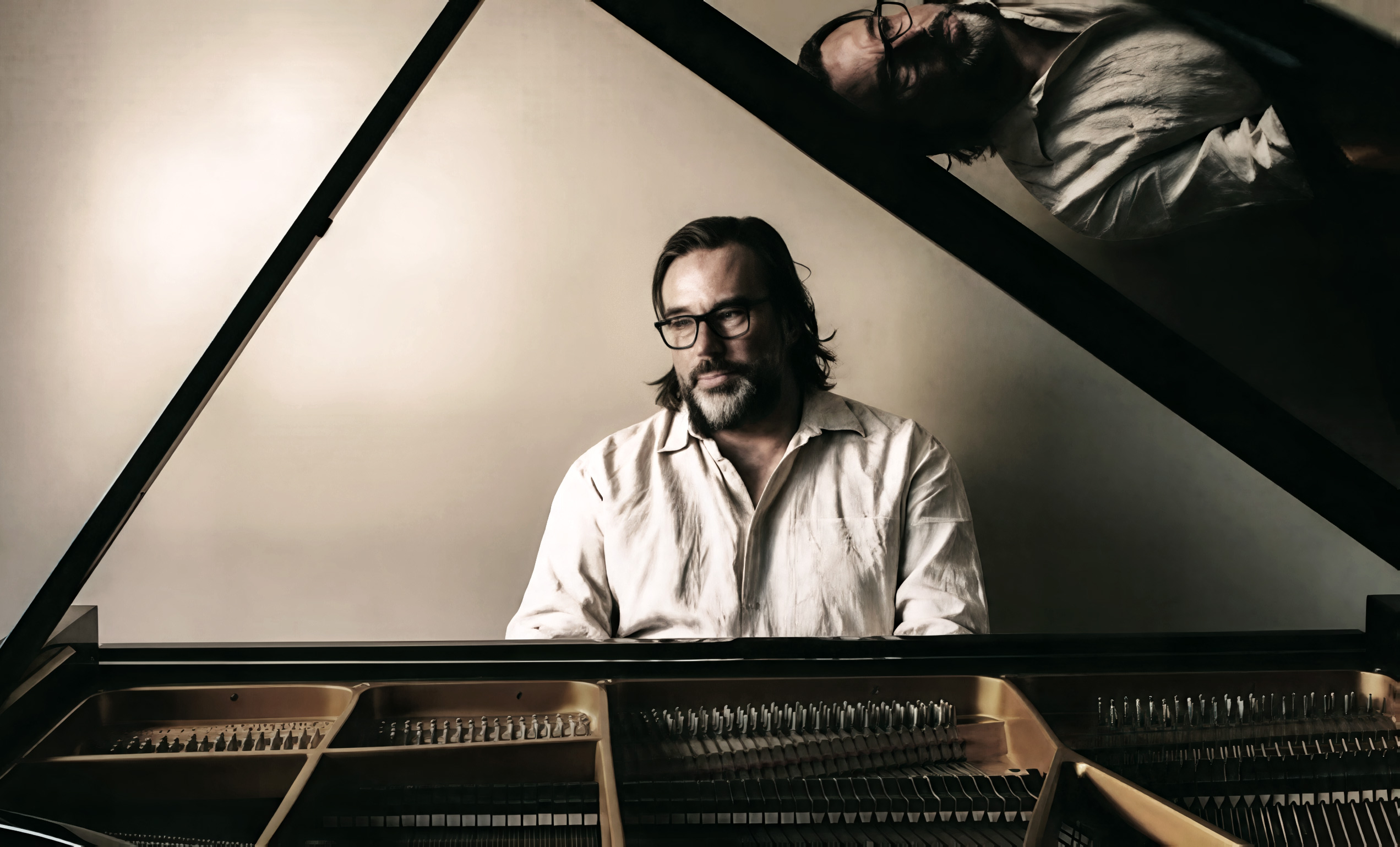
PRM: “Your fingers don’t play the piano – they listen to it. What are they listening for?”
They listen for what is trying to emerge. Not what I intend, but what is already there, waiting. Sometimes it’s a feeling I haven’t named. Sometimes it’s a memory that hasn’t found its shape. Sometimes it’s just silence, asking to be honored. The piano responds to that attention. It becomes a partner, not an instrument.
PRM: “The pianist of happiness” – does that title feel like a gift, or a burden?”
It feels like a reminder. A reminder of what I’m actually doing here. Happiness, for me, is not a grand achievement – it is a fragile, fleeting alignment. When someone says my music helped them feel at home in themselves again, that is not flattery. That is confirmation. That is the music working as it should.
PRM: “Your music slows time in an age that worships speed. Is that a rebellion, or a refuge?”
Neither. It is an offering. I am not fighting the world – I am inviting it to breathe. We live in a time that constantly pulls us outward, away from ourselves. My music is a small room where that pull stops. Not as an escape, but as a return. A place where you can remember who you are beneath all the becoming.
PRM: “Why do your arrangements feel so familiar to so many people?”
Because they are not mine. They belong to the quiet places we all carry but rarely visit. I simply listen for what is already there – in the room, in the silence, in the listener – and give it a voice. When someone hears themselves in a piece, it is not because I have written their story. It is because the music has made space for it.
PRM: “What remains of you when the final note dissolves into silence?”
A kind of peace that is difficult to describe. Not the peace of completion, but the peace of having been present. There is gratitude, yes – but not for what was accomplished. Gratitude for what was allowed to happen. The silence afterward is not an ending. It is the continuation of the music in another form. Without that silence, the sound would have nowhere to go.
PRM: “If happiness could speak in a single sentence, what would it say?”
You are already here. There is nowhere else to be.
PRM: “And what do you hope lingers in someone long after they have left your performance?”
The permission to be slower. The quiet knowing that they do not have to perform their own lives. If even one person walks away feeling that it is okay to be unfinished, to be soft, to be exactly where they are – then the music has done what it was meant to do. It has reminded them of something they never truly lost. Only forgotten.