Ariane Sailer: “My Music” as a State of Flow
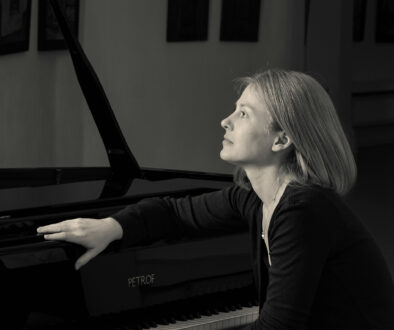
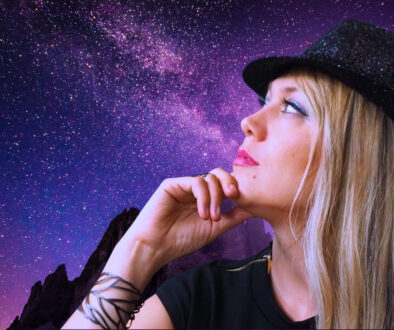
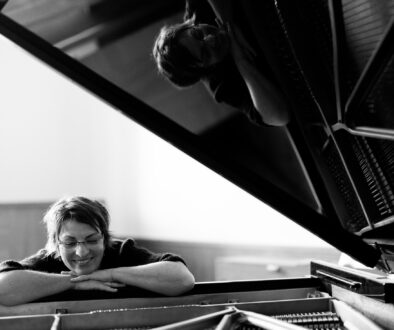
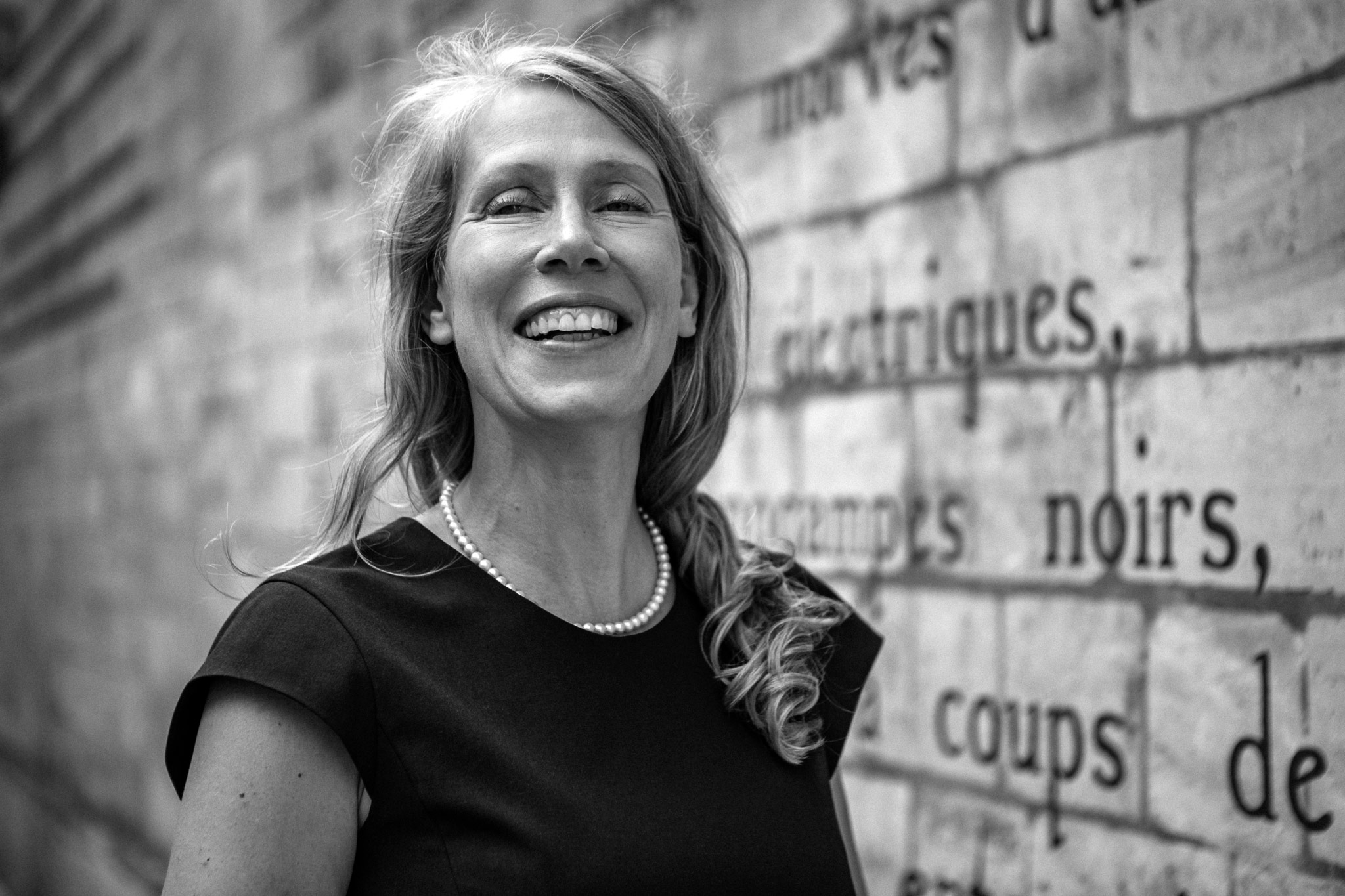
For Ariane Sailer, music seems to begin where words, images, and silence leave space for something else to emerge. A pianist, composer, and graphic artist from southern Germany, she approaches the piano not simply as an instrument, but as a place of intuition, storytelling, and flow—where repetition can become meditation and improvisation can turn a moment into something unrepeatable.
Her musical language is deliberately intimate and uncluttered, shaped as much by her background in literature and visual art as by her relationship with the piano. At the heart of it is a simple idea: when control gives way to listening, melodies can begin to “float.”
As Ariane prepares to return to Paris, both for her upcoming concert and for Piano Revenge Festival 2027, we spoke with her about the origins of her music, the role of silence, improvisation, nature, and what it means to create from a state of flow.
PRM: Your description of discovering your own melody is almost mystical – “one day, melodies started floating on my piano keyboard.” Can you take us back to that moment in 2008? What did it feel like when you first pressed the record button for your own creation?
Ariane Sailer: 2008 was a time of personal growth in my life. In retrospect, discovering my own melody at that time makes perfect sense and comes as no surprise to me. After all, I have been playing the piano since I was five years old. The piano has always been some sort of refuge. At the time, it allowed me to regain strength in my everyday life as a mother with two children, a demanding job and a university degree to finish. In January 2008 I watched a video by six-year-old Emily Bear, who was being interviewed by Ellen DeGeneres. On the show, Bear also played an original composition of hers: Ellen’s Song. I was stunned and could not believe how joyful and uplifting it was.
At the time, I was struggling with one thing: I practised a lot with the aim of flawlessly interpreting classical composers, of doing justice to their styles and expressions. But something within me objected. Somehow these pieces lacked relevance and I did not feel truly connected. Even though I loved these classical pieces, interpreting them just did not seem fulfilling anymore.
By chance, at that time I discovered systemic approaches and energy-based work, which enabled me to gain a deeper understanding of myself. I guess things fell into place quite naturally. I grew braver and started experimenting more. Over time, my hands’ muscle memory got used to the harmonic intervals, and I made fewer slips. The pieces that evolved from these early improvisations are still dear to me. Listening to one’s own music is a revelation, which I suppose is an experience every composer shares. Perhaps this is the ‘mystical’ part of it, you are right.
PRM: Looking ahead to April 2027, you will be part of the next Piano Revenge Festival in Paris, themed “My Music.” What do these words mean to you personally?
Ariane Sailer: Let me put this into a wider context. First and foremost, I am a person of words and languages. This is why I took a degree in literary studies and language teaching. Words, and human expression in general, have always been of interest to me. I wanted to find out how people perceive the world and how they get connected with each other. I also kept a journal and wrote poems. If you look more closely at words and phrases, you will notice the blank page they are written on, the silence underneath. Some of the deepest connections do not require words; they are unspoken agreement.
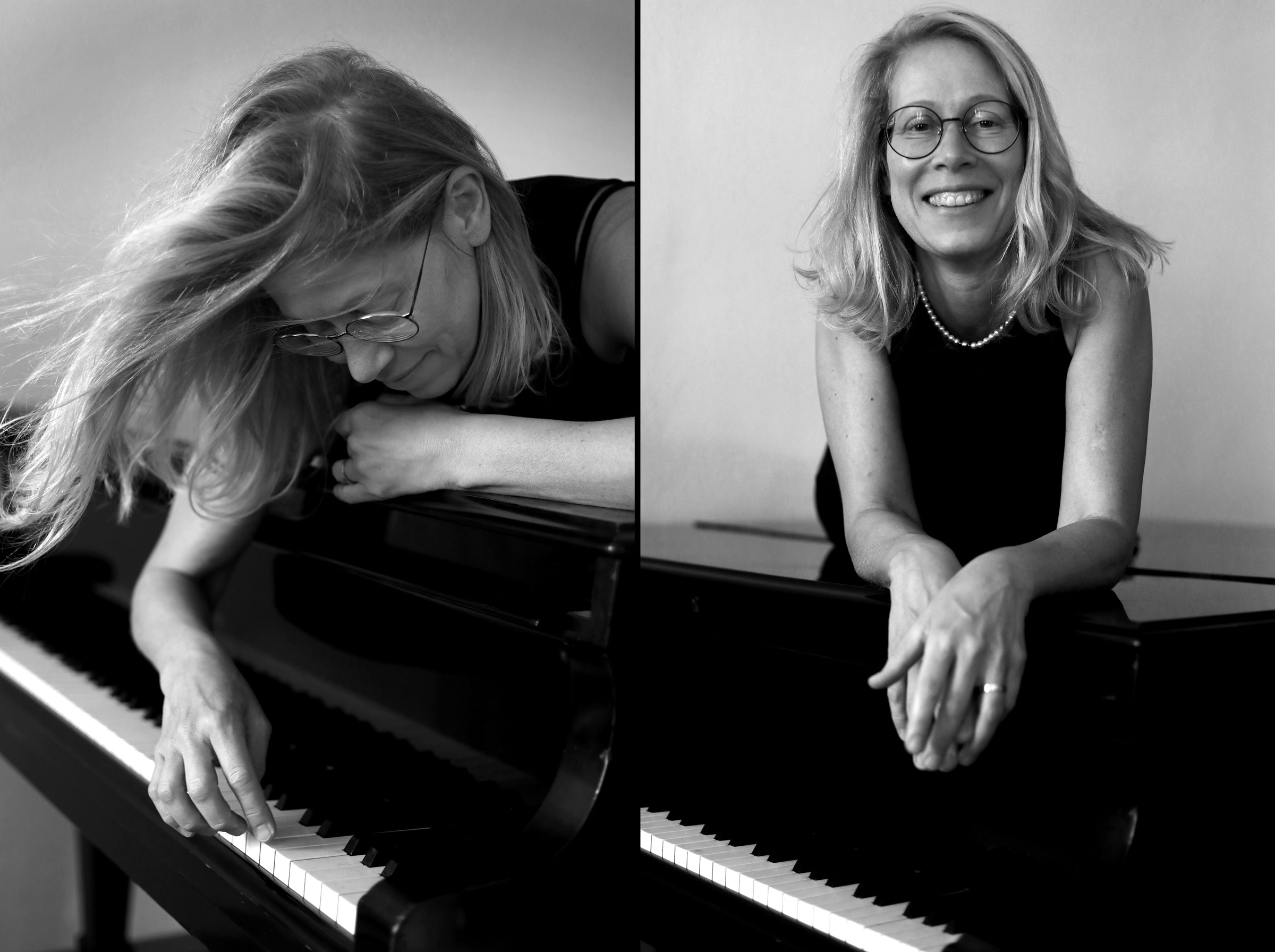
This is what I frequently experience while writing, drawing pictures, and also improvising on the piano. My fingers touch the keys, and the moment I let go of myself and of my thoughts, something beautiful happens: the melodies start floating. Sometimes I even get the feeling that the music comes from somewhere else and runs right through me. Sometimes the notes I play seem to have no boundaries, no place or time. It is a strange feeling, almost sacred and very peaceful – a state of flow. I feel blessed to be able to play the piano like that, incredibly lucky. This is what the festival’s theme ‘My Music’ makes me think of.
PRM: You describe your minimalist piano music as uniquely capable of “opening spaces for feelings, thoughts, and inspiration.” In what ways do you hope to inspire festival-goers with your art?
Ariane Sailer: The word minimalist says it all: this type of music is pure and lean by design. We all get lost so easily in the noise of daily life. Neoclassical piano music can help us calm down and reconnect with what matters. To be honest, music has always done that – it is part of every culture. Humans have always used rhythm and song to heal or to celebrate special events. Societies encoded their most vital survival data into music and passed it down; for centuries it was the most effective kind of data storage. Think of the epic of Gilgamesh, Aboriginal songlines or religious chants, for example. In today’s world, where music is always just a click away, we have lost that magic. But I am sure our nervous systems still remember and react to the calming, compass-like power of music.
On stage and during live performances I try to evoke this kind of relaxing state for my audience, to leave them space and room to breathe. Repetition in particular has a meditative effect. Our brains tend to believe what we hear more than once. So, let’s repeat the right things, it’s as easy as that. If it happens to be a soothing piece of piano music, all the better. The repetitive phrases of a minimalist piece can make us trust and ease our minds. This is why I embrace a certain simplicity, especially for the bass line.
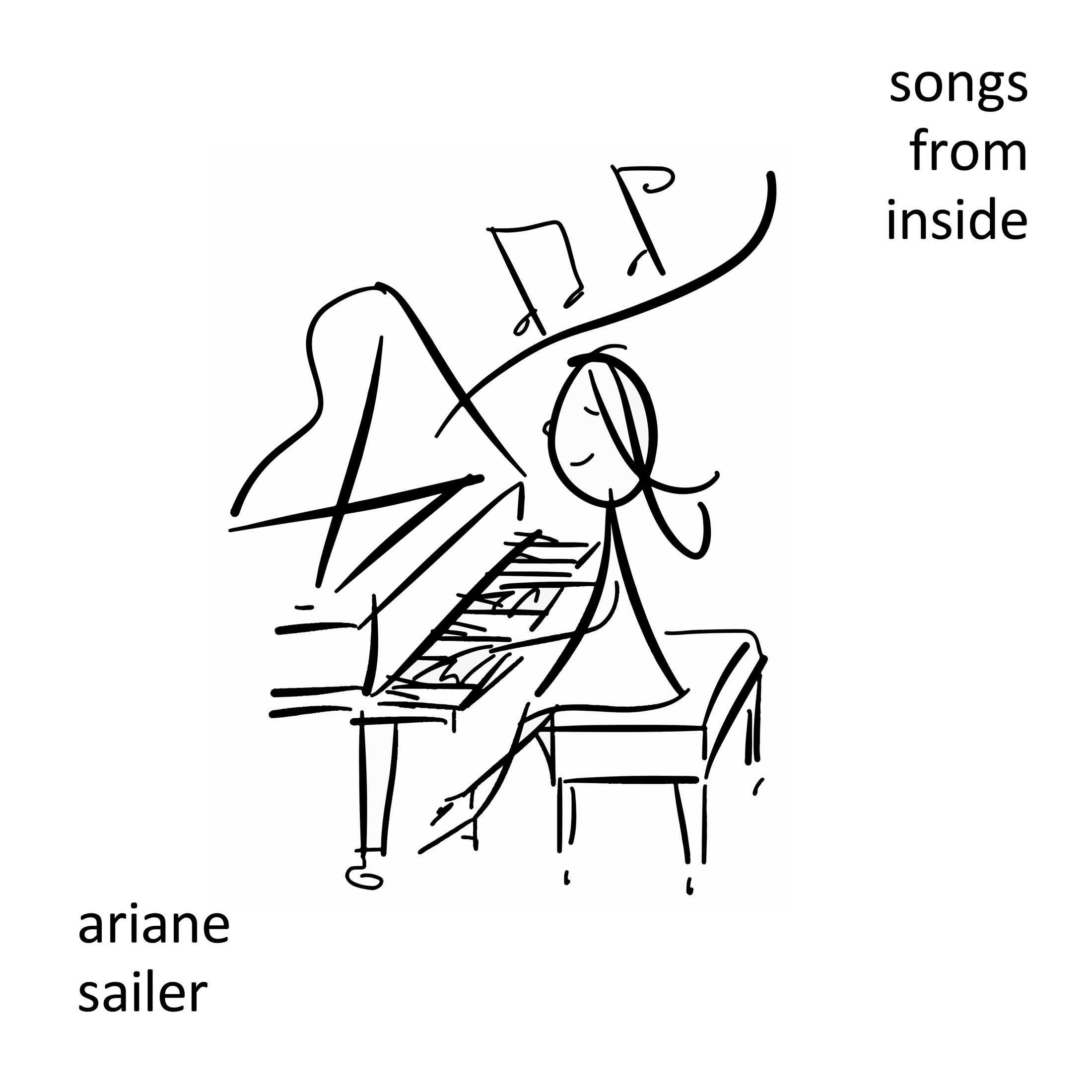
PRM: Tell us more about your album Songs from inside. The title suggests that this album is an intimate one, is that right?
Ariane Sailer: Maybe yes, as it was released in 2020, a period of isolation for all of us. I used the time and space available to go on an inward journey, wanting to share something with the outside world at the same time. The title plays on a double meaning – reflecting the living spaces we were confined to, while also expressing the language of the soul.
Songs from inside is an album of sixteen original piano compositions, some of them echoing stages of my life, like childhood dreams or you’re the one. My intention was to make them relatable and to establish a pure, melodic language with a flowing, wide-open character.
Another recurring element is the relationship between movement and stillness in nature. I live on Lake Chiemsee, in the south of Germany between Munich and Salzburg, right where the Alps begin. Nature paints in bold colours here. The powerful expressions of nature, the mountains, the water and the shifting cloud formations deeply move me and demand a voice. I have always felt this urge to take a walk in the wild and immediately transform that raw energy into melody. This is how most of my pieces come to life.
If you look at the illustrations I made for each title, you will notice a common thread running through every scene: a sense of lightness. No matter what daily life brings, I always want to surrender to the delight of being human, with a sense of both simplicity and depth. I hope this is a message that brings my listeners comfort and accompanies them through the various chapters of their own lives – or maybe helps them find their own melodies, songs from inside, who knows.
PRM: You are performing alongside Freddy Minc in Paris on September 12th, 2026, for a concert. How do your musical worlds complement each other?
Ariane Sailer: We first met online when collaborating with some fellow pianists on a playlist named pianistes français. The initiators believed being French by choice was sufficient, so I was happy to contribute.
Freddy and I quickly noticed that our approaches to the piano as well as our playing styles matched and complemented one another quite naturally: both of us lean into aesthetic minimalism and space-conscious soundscapes. Our creative paths show some similarities too. We combine art and science in various contexts. In our music, we try to find universal themes, bringing together the best of all worlds. And honestly, these worlds are usually not as far apart as you might imagine. Often there is a profound emotion or a general truth that links them all, be it chemistry, geography, or languages and literary studies.
And finally, in concerts and live performances, we both prioritise improvisations over tightly scripted notation. Improvising is our common heartbeat, for sure, as it links us with our listeners. We believe that the live music created during a concert is a unique and unrepeatable manifestation of sound, shaped by everyone in the room and will never happen the same way again. Every single person in the audience implicitly contributes through their very presence, modulating the room’s energy. This is exactly what we want: breathing life into this concert hall together and finding joy in the shared community. So come and join us, we are looking forward to meeting you.
Photo credit: Hervé Hauboldt & Alain Roux